
Science Olympiad
Sponsor: Stephanie Doncilovic
Science Olympiad seeks to foster the love of science and increase engagement among STEM-inclined students looking to pursue career opportunities in a specific field through hands-on participation with self and teams at local competitions.
Science Olympiad also seeks to improve the quality of K-12 science education, increase opportunity and diversity in science, create a technologically-literate workforce and provide recognition for outstanding achievement by both students and teachers.
Dues: $15
Meetings will be held on alternate Mondays and Thursdays in Room 262.
W9PHM Amateur Radio Club
Sponsor: Scott Shelhart
The W9PHM Amateur Radio Club is a way for students to learn about amateur radio purpose and uses, the rules and regulations and new technology.
Amateur Radio Introductory Resources:
Ronald McDonald House of Charities at Penn
Ronald McDonald House of Charities at Penn
Sponsors: Becky Wachs and Rachael Meyers
The intended goals and objectives of the RMHC Penn are to help the students get involved in the community locally, but in an organized fashion, along with educating the students on real-life situations of families that go through the RMHC Penn. Students will learn the benefits of being able to give back to their community, making it a memorable yet effective and fun.
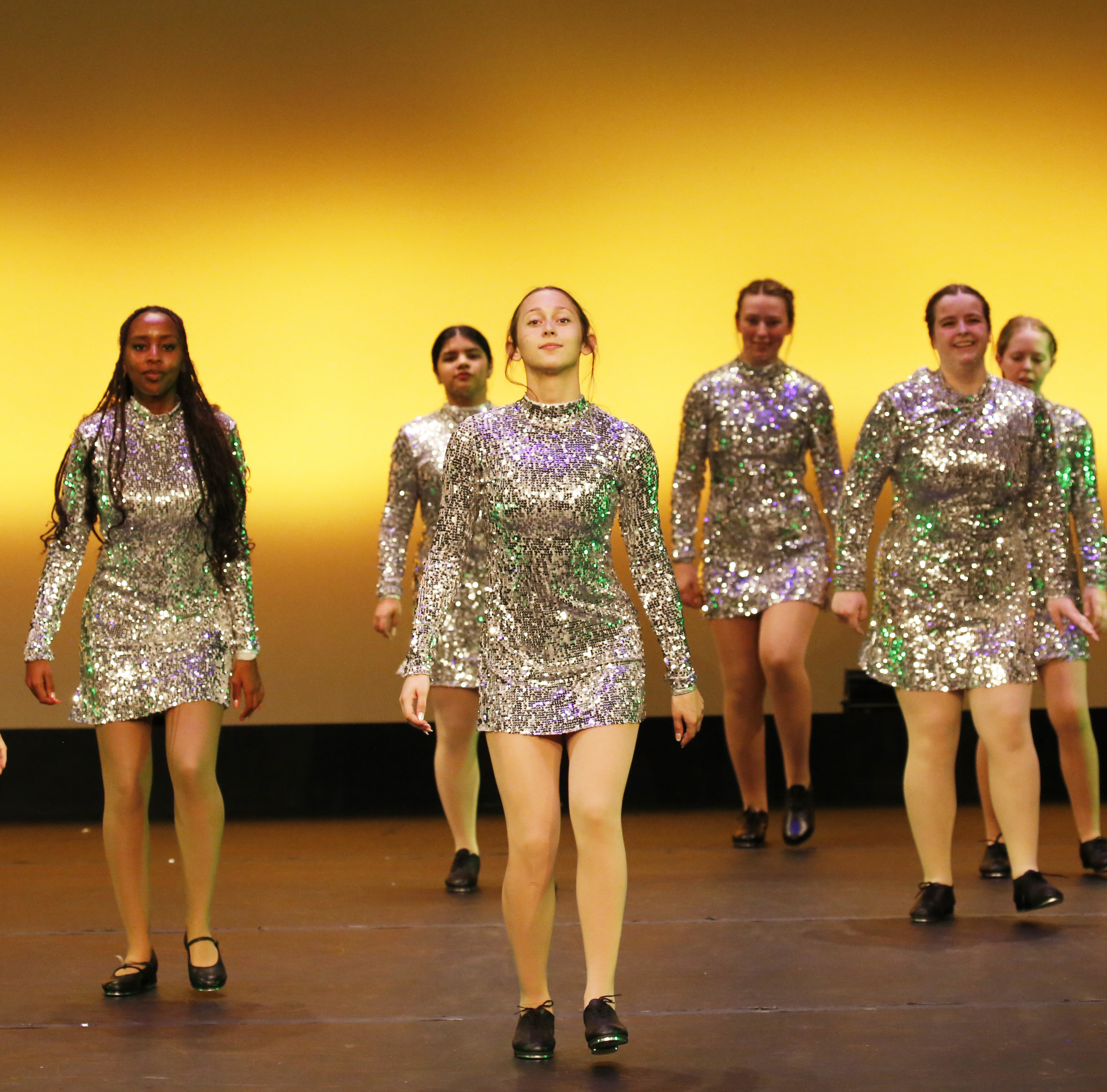
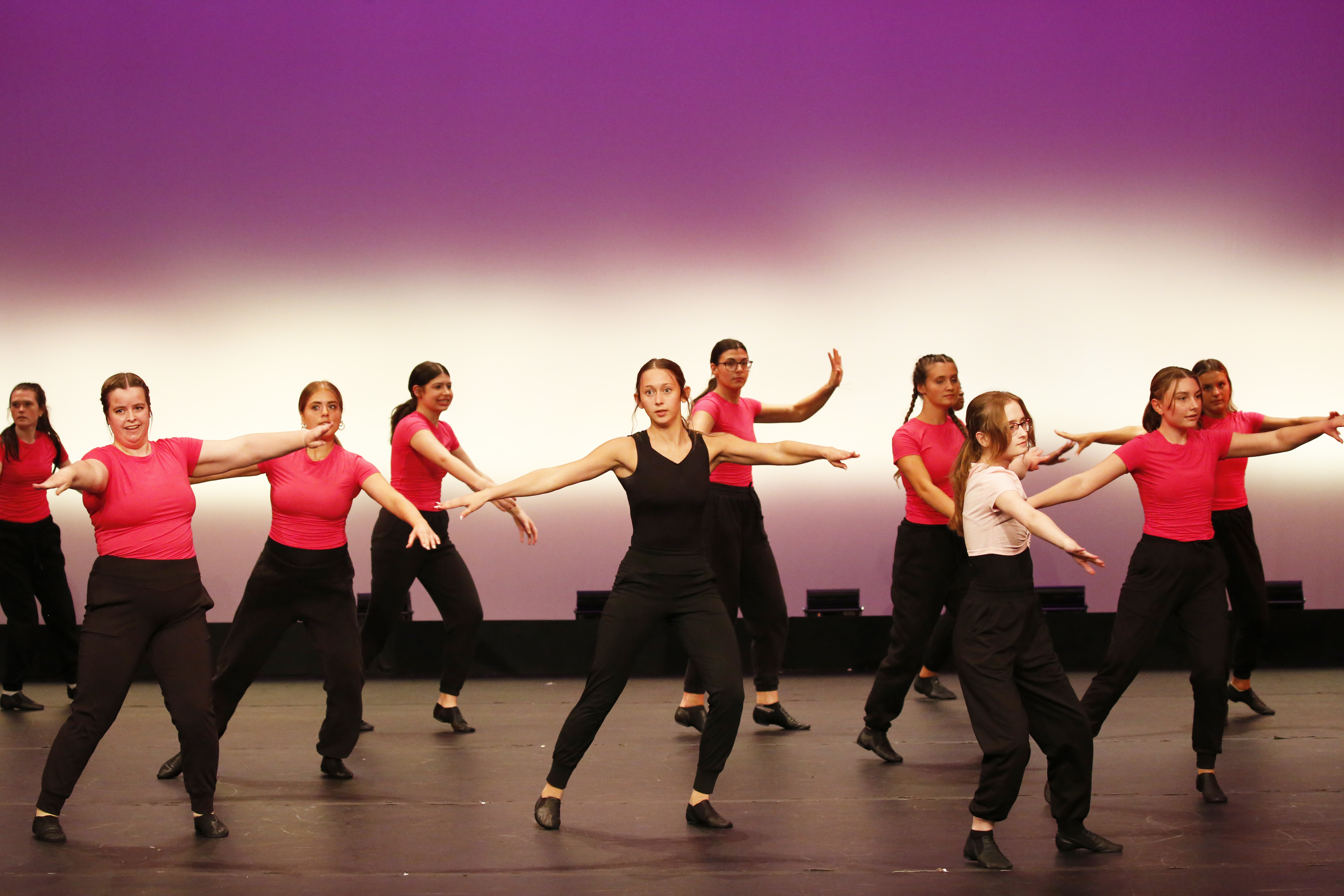
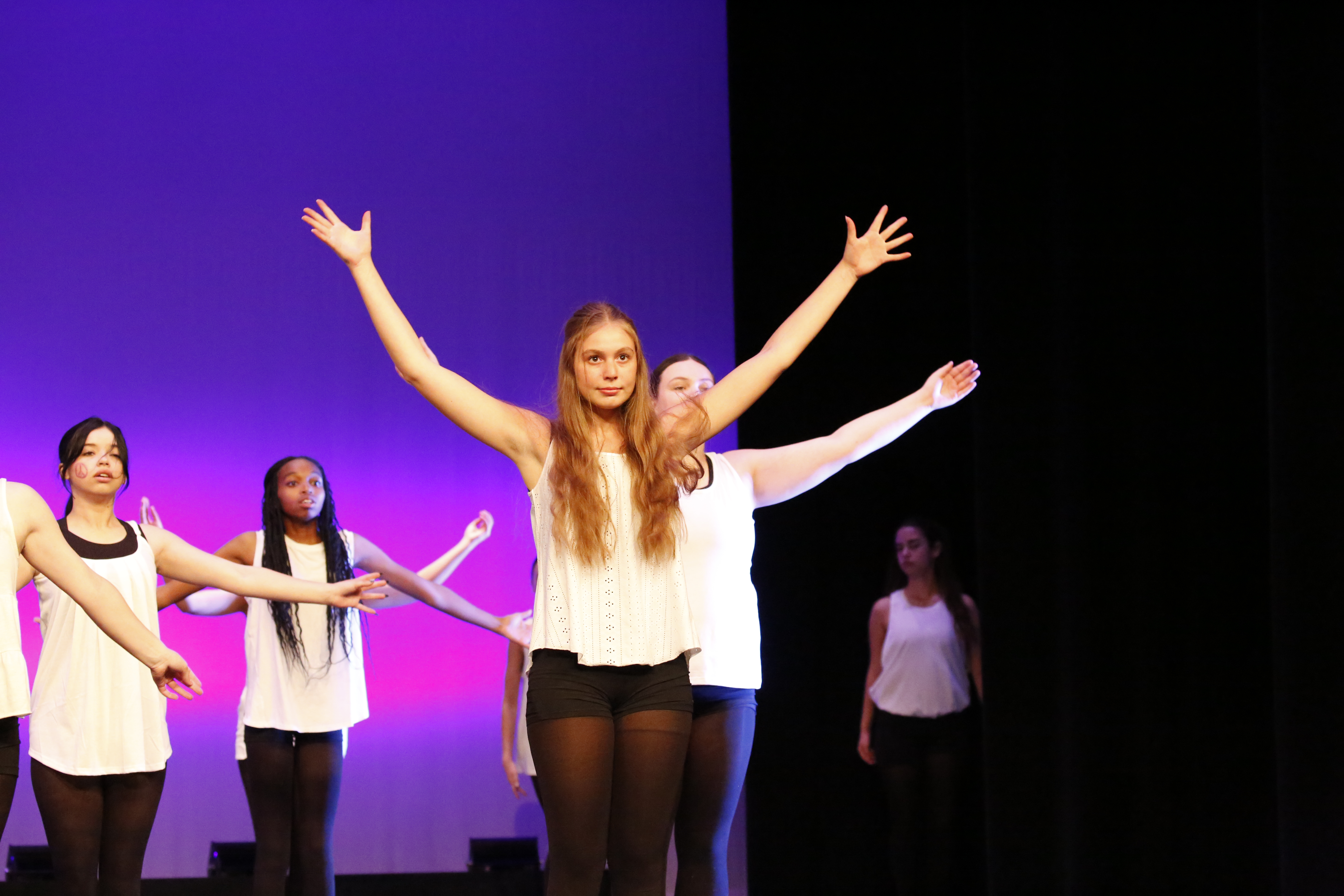
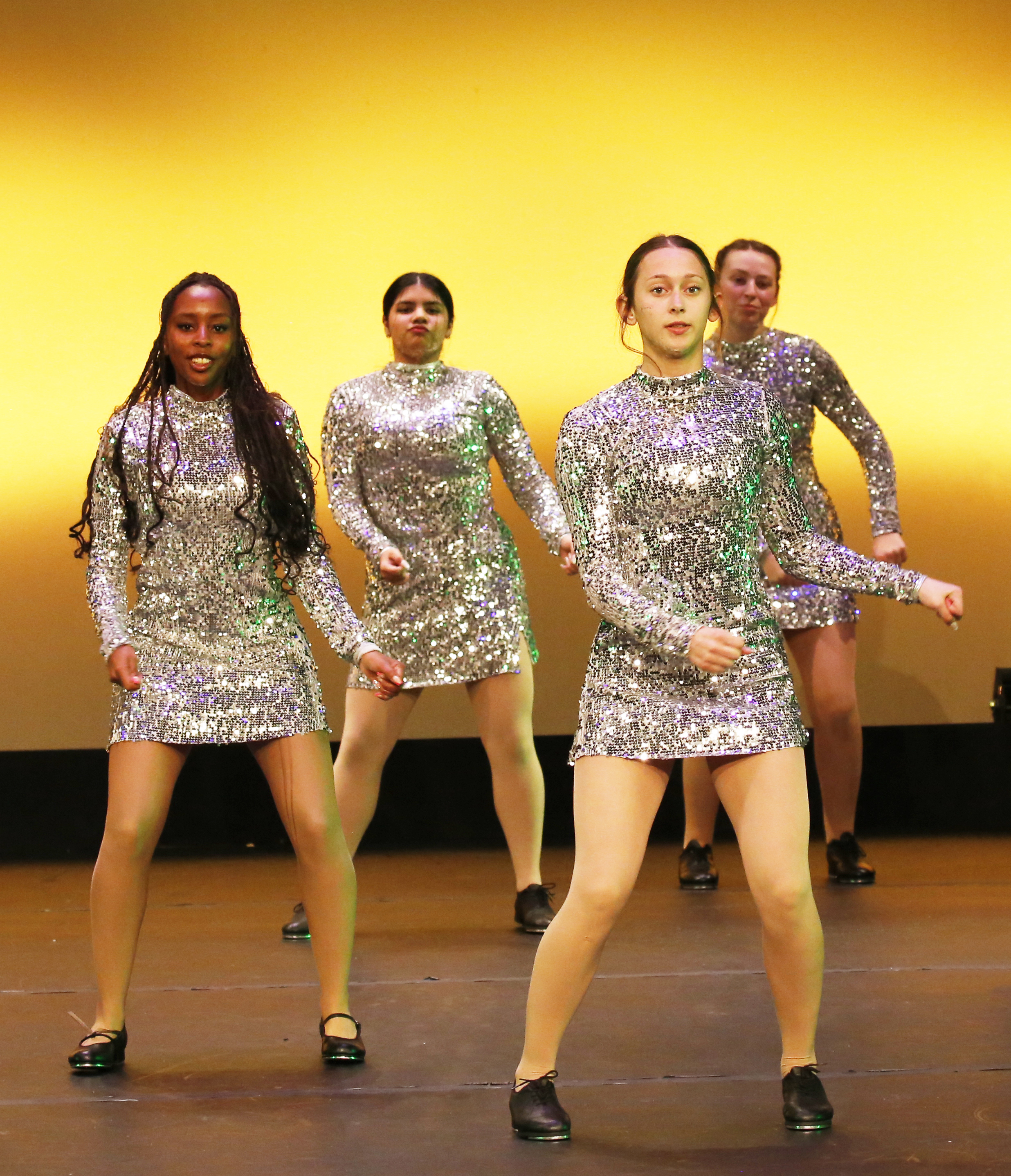
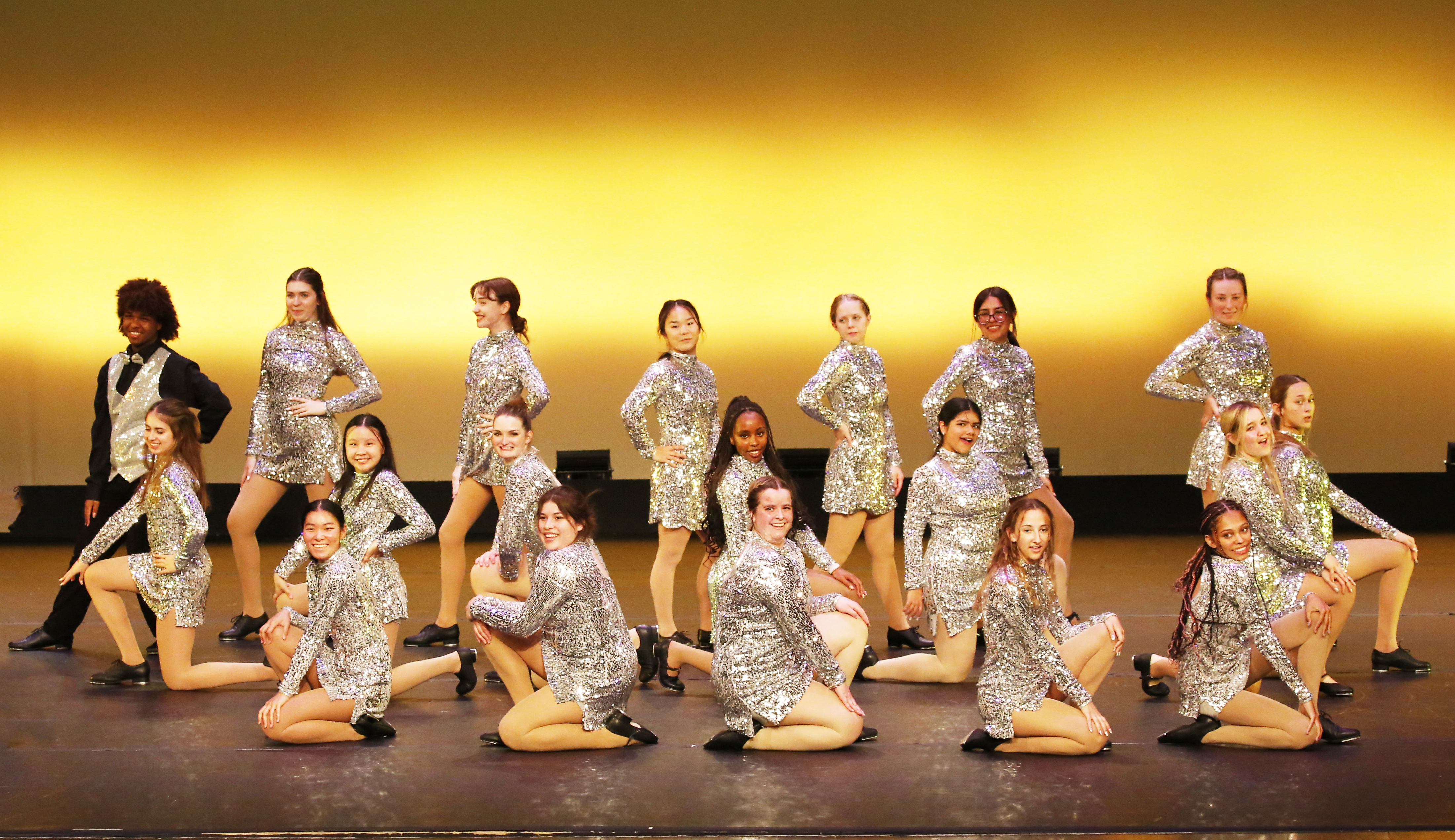
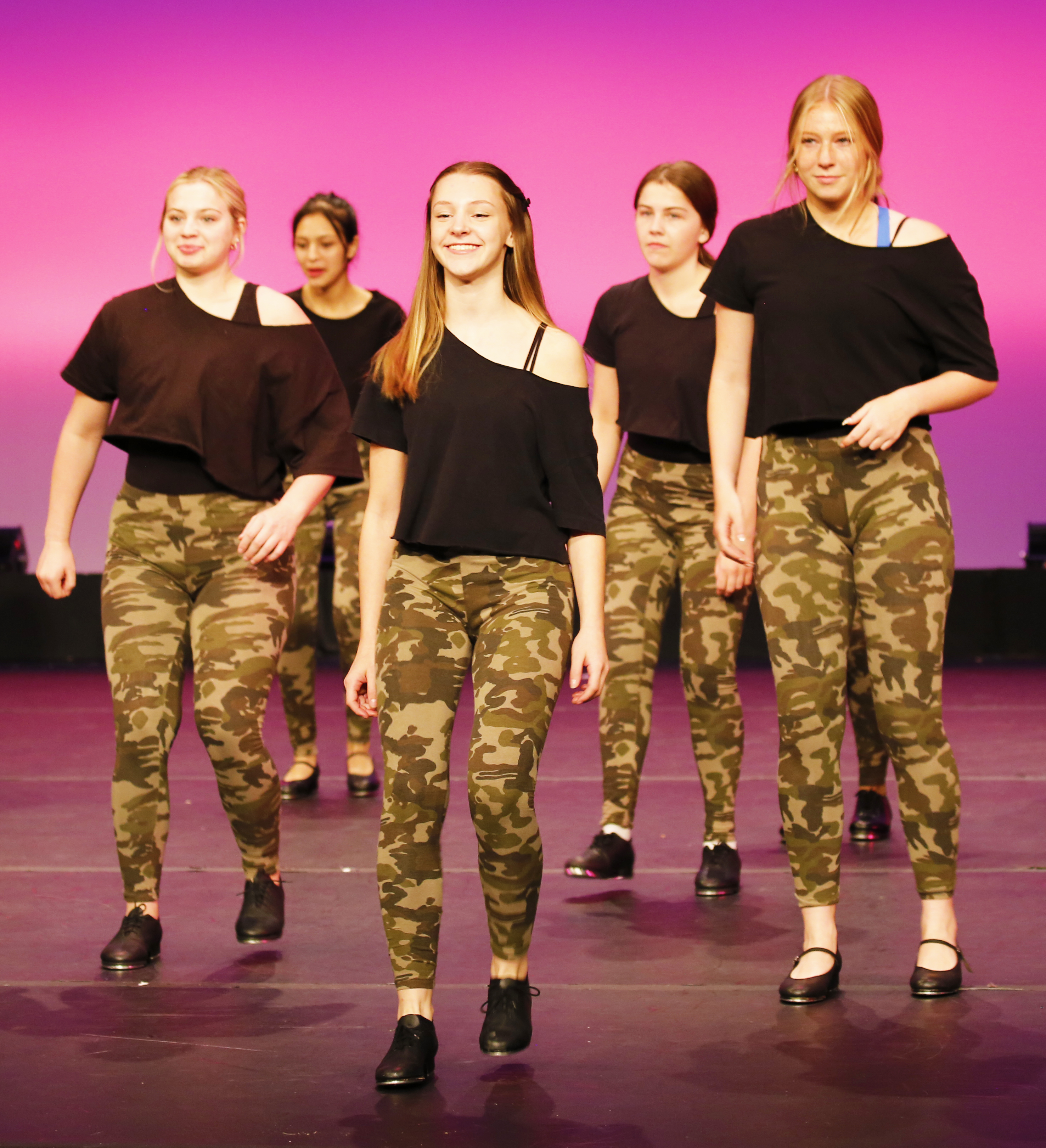
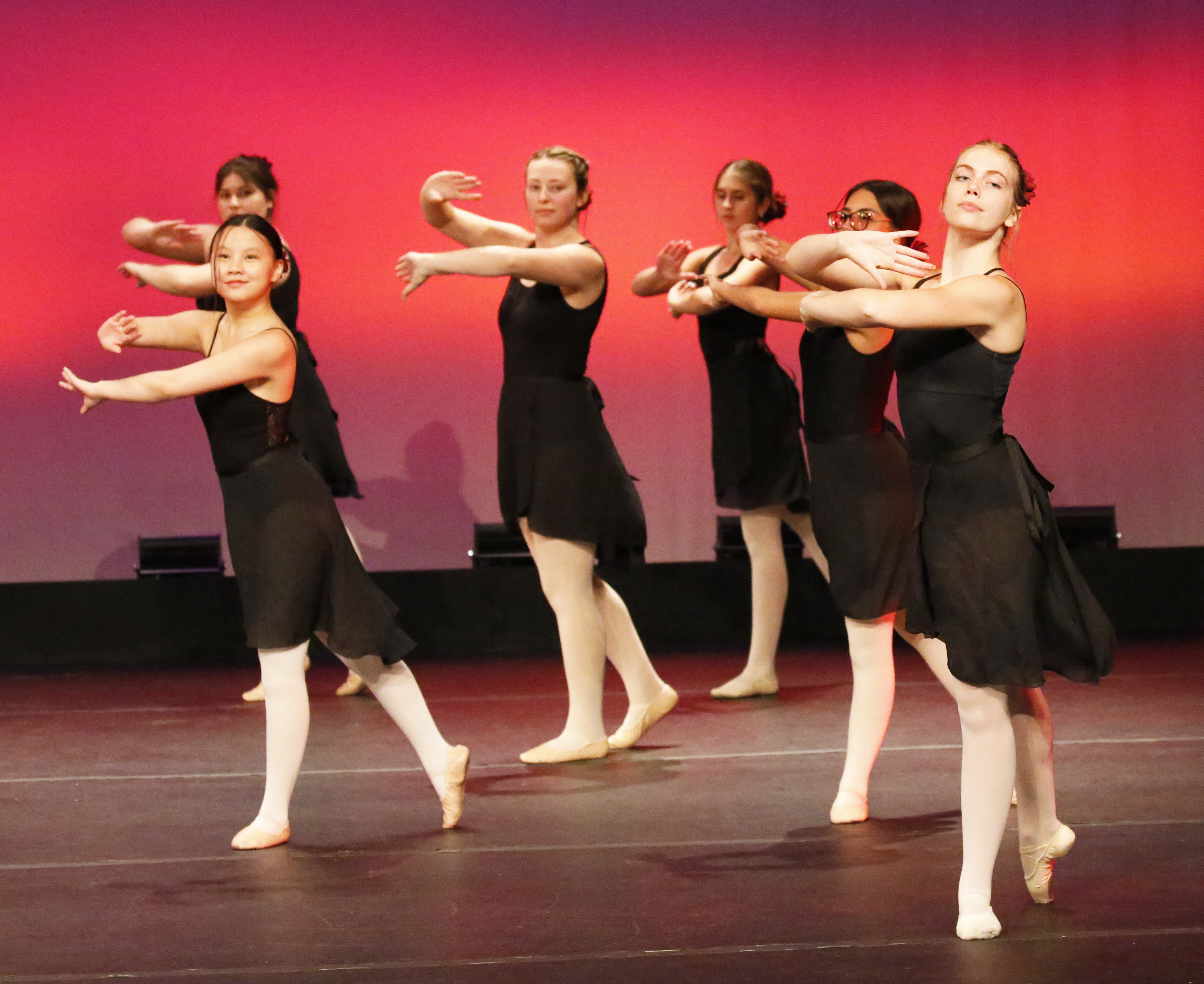
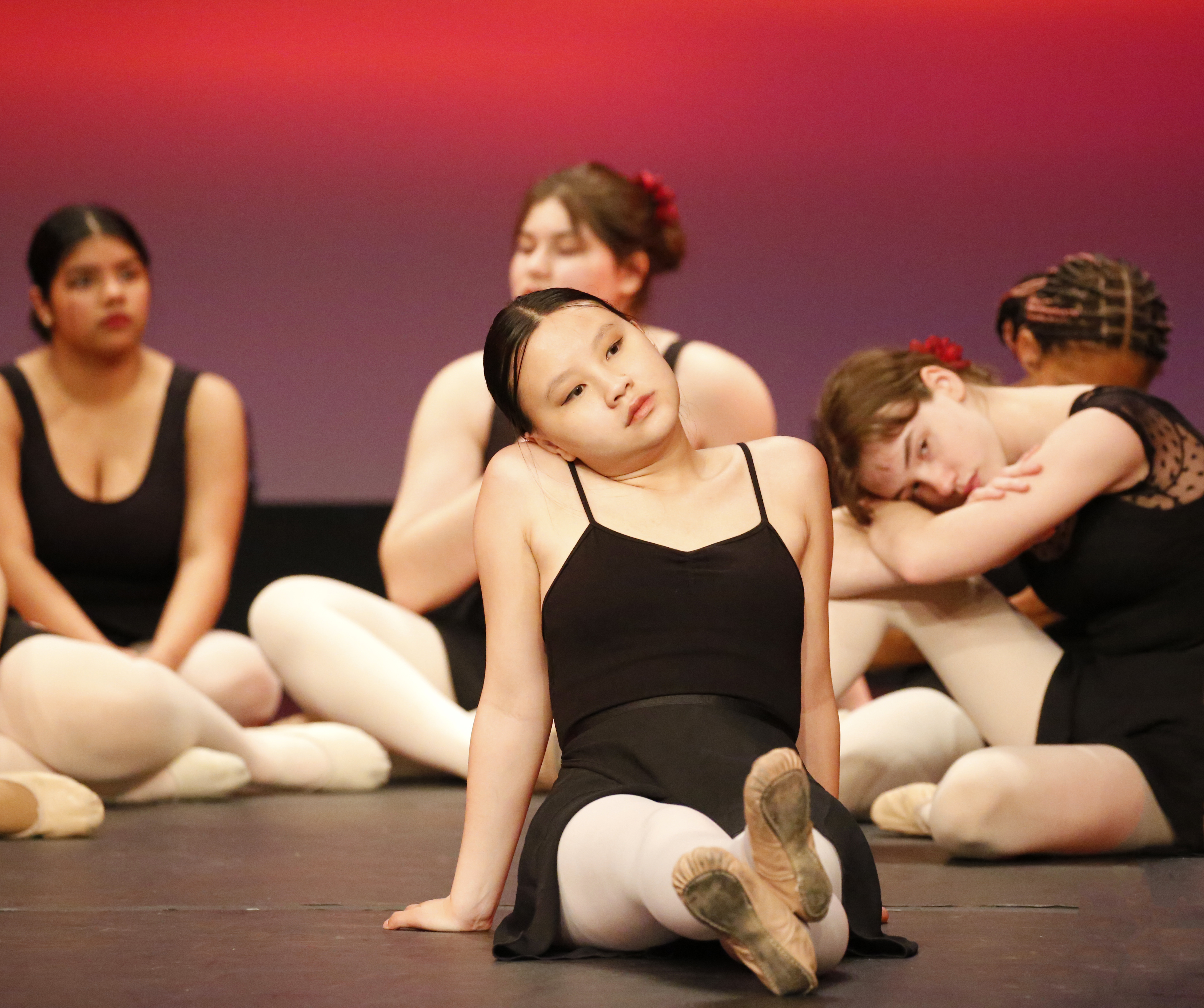
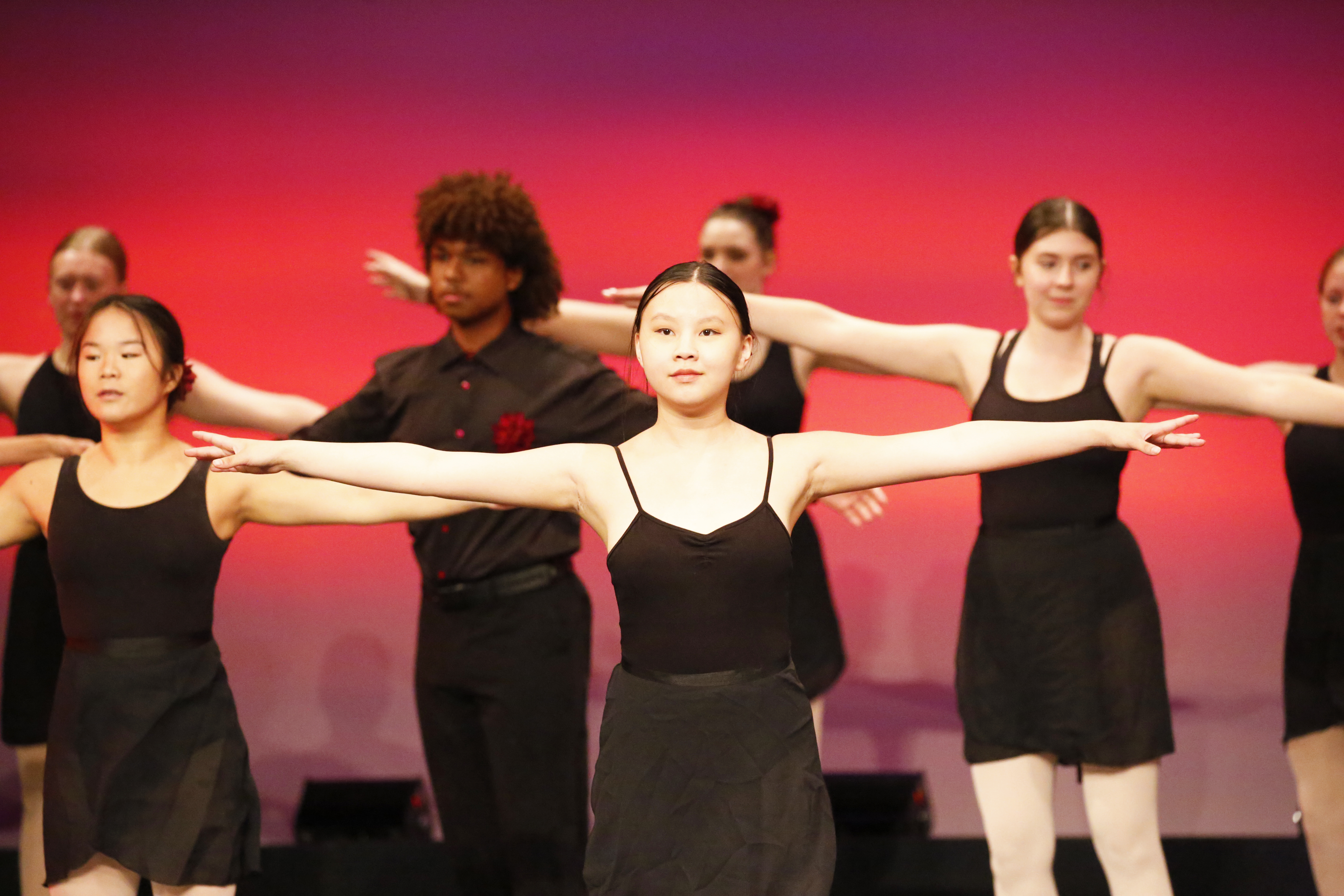
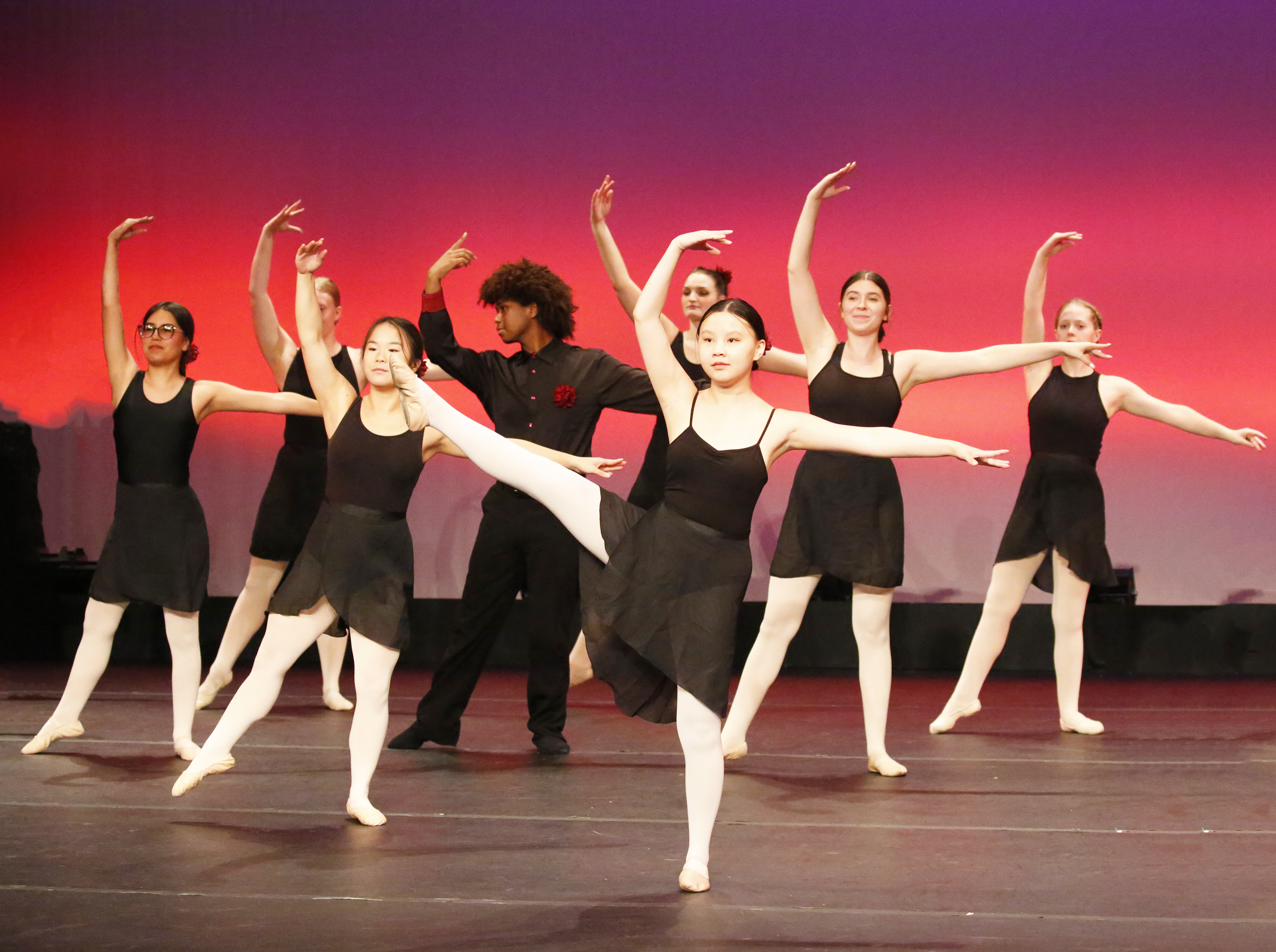
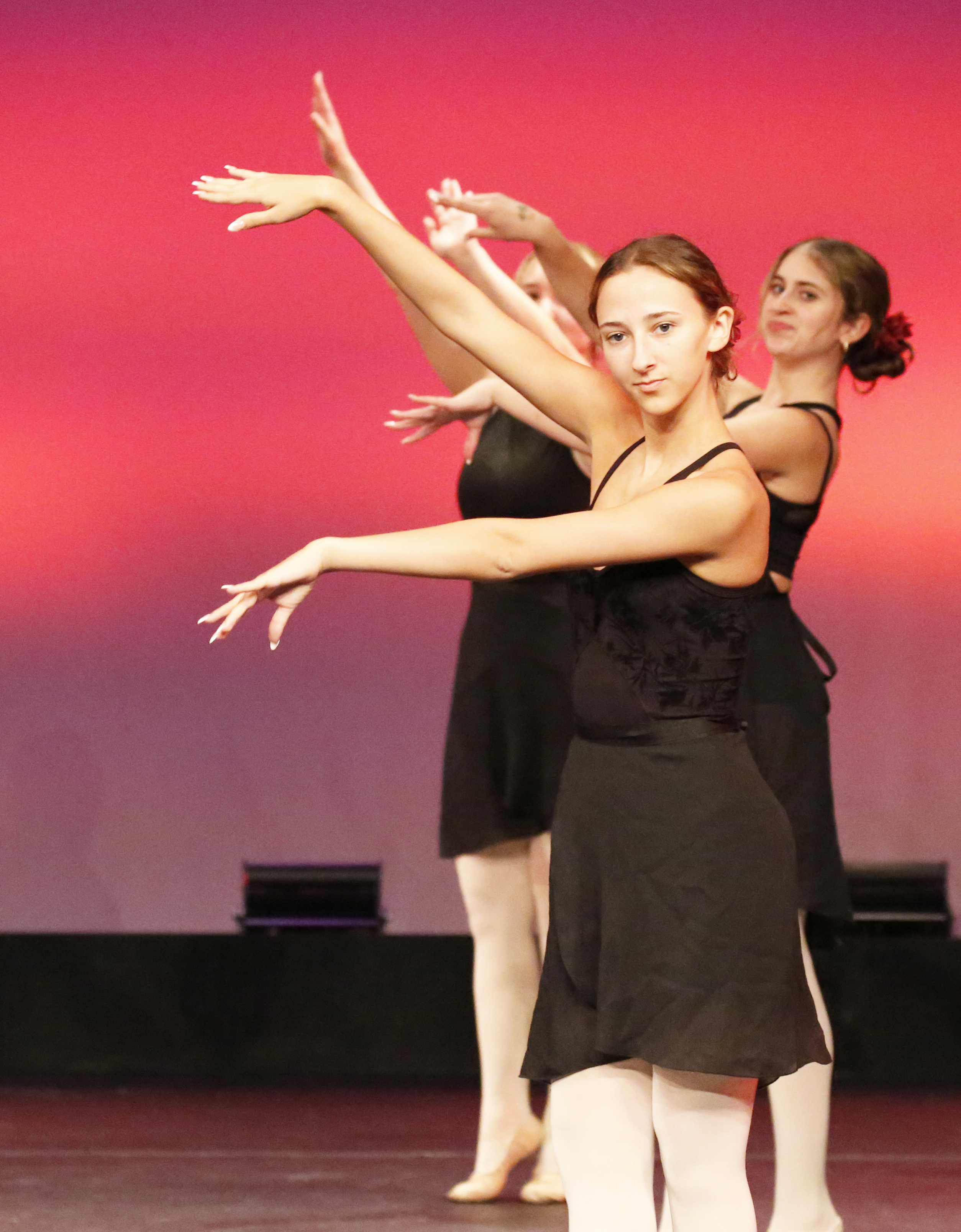
2024 Penn Dance Classic Photo Gallery
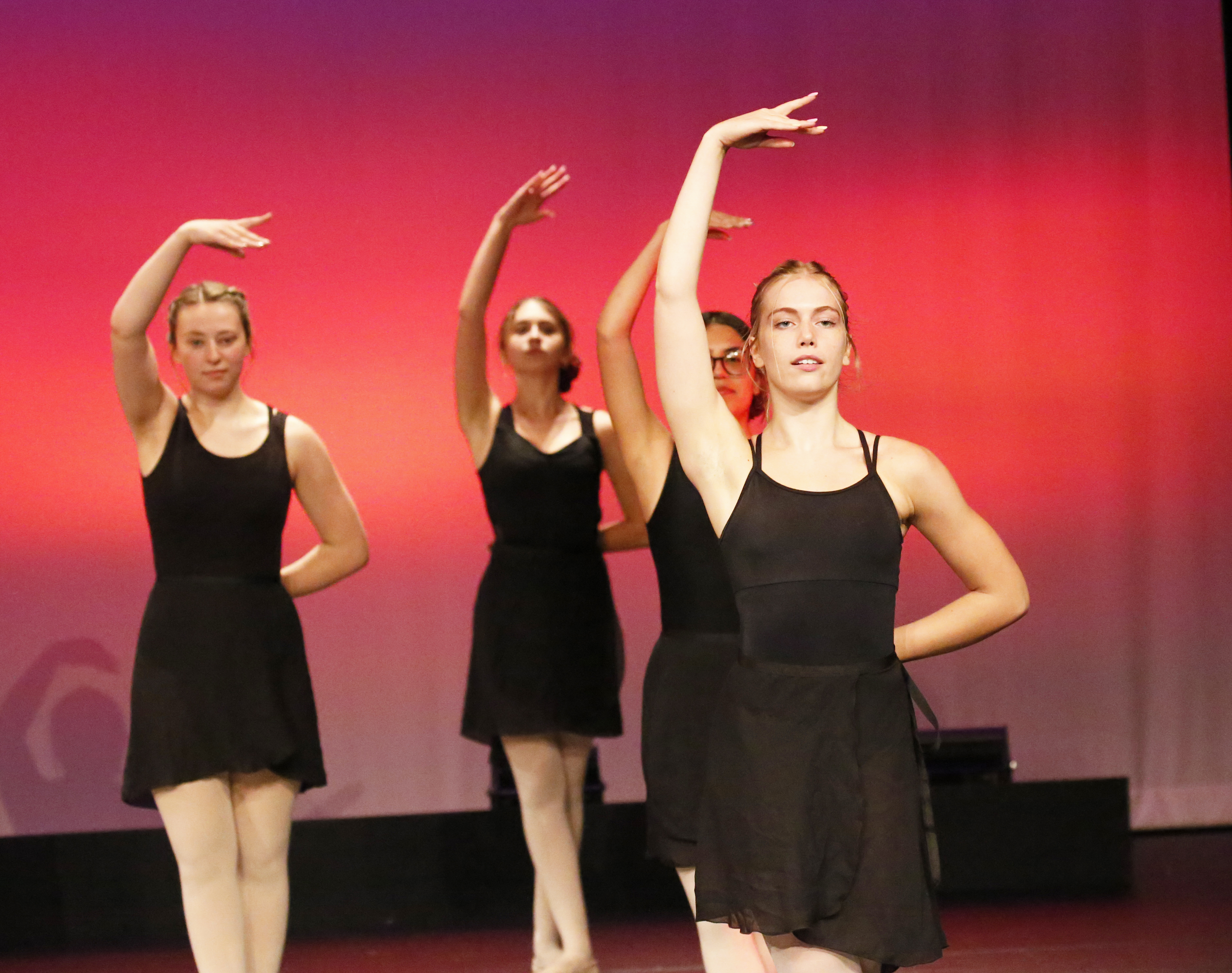
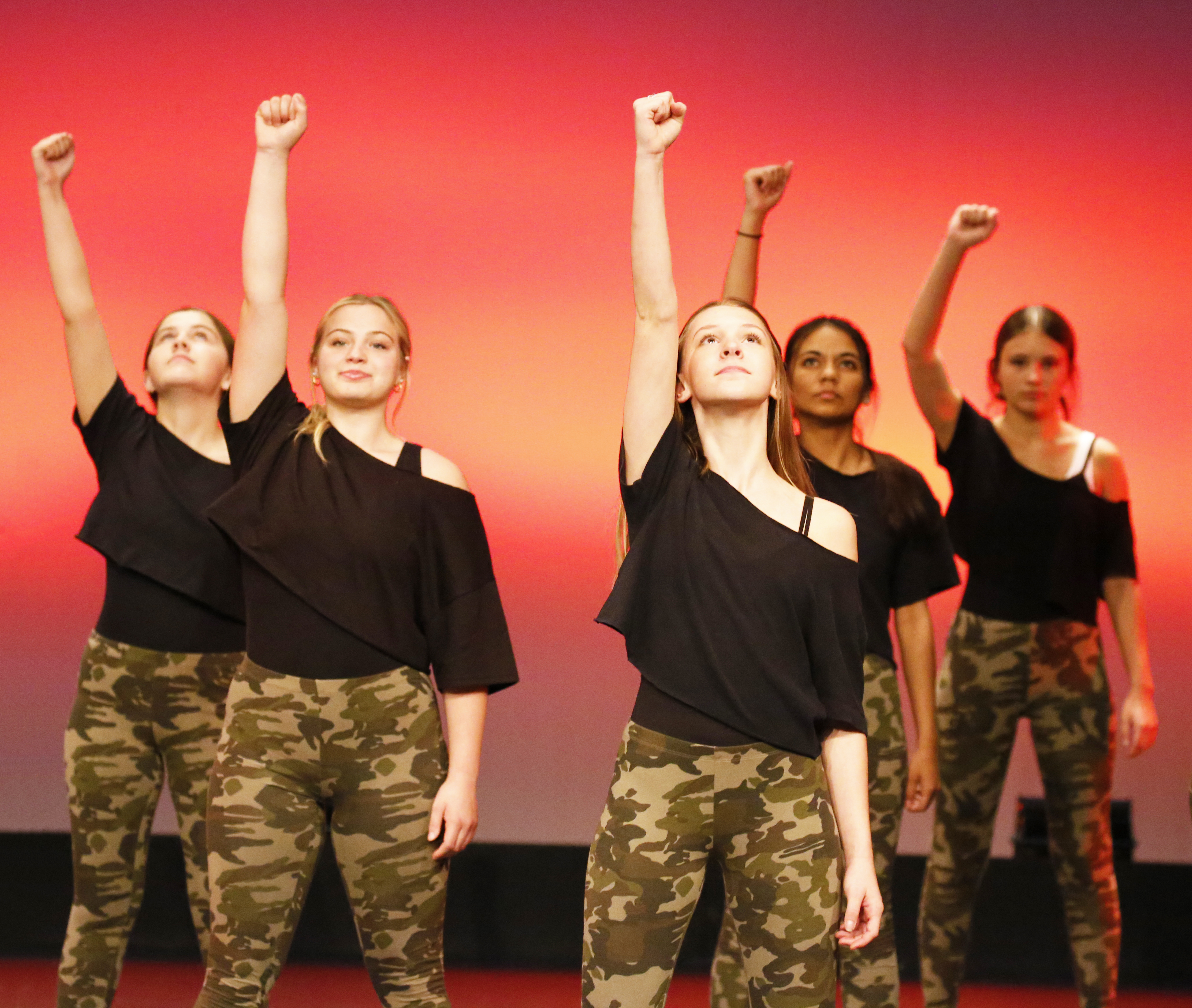
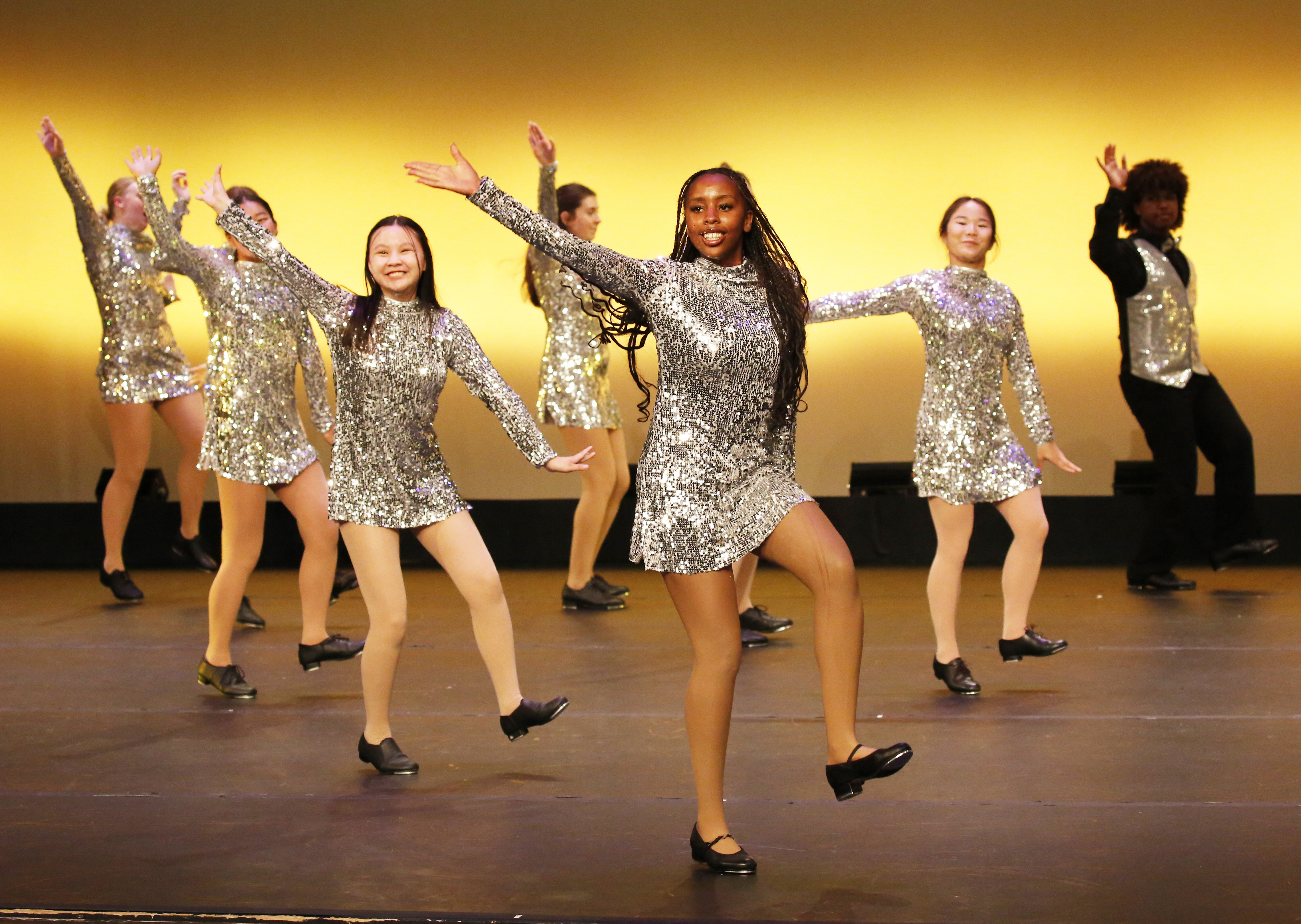
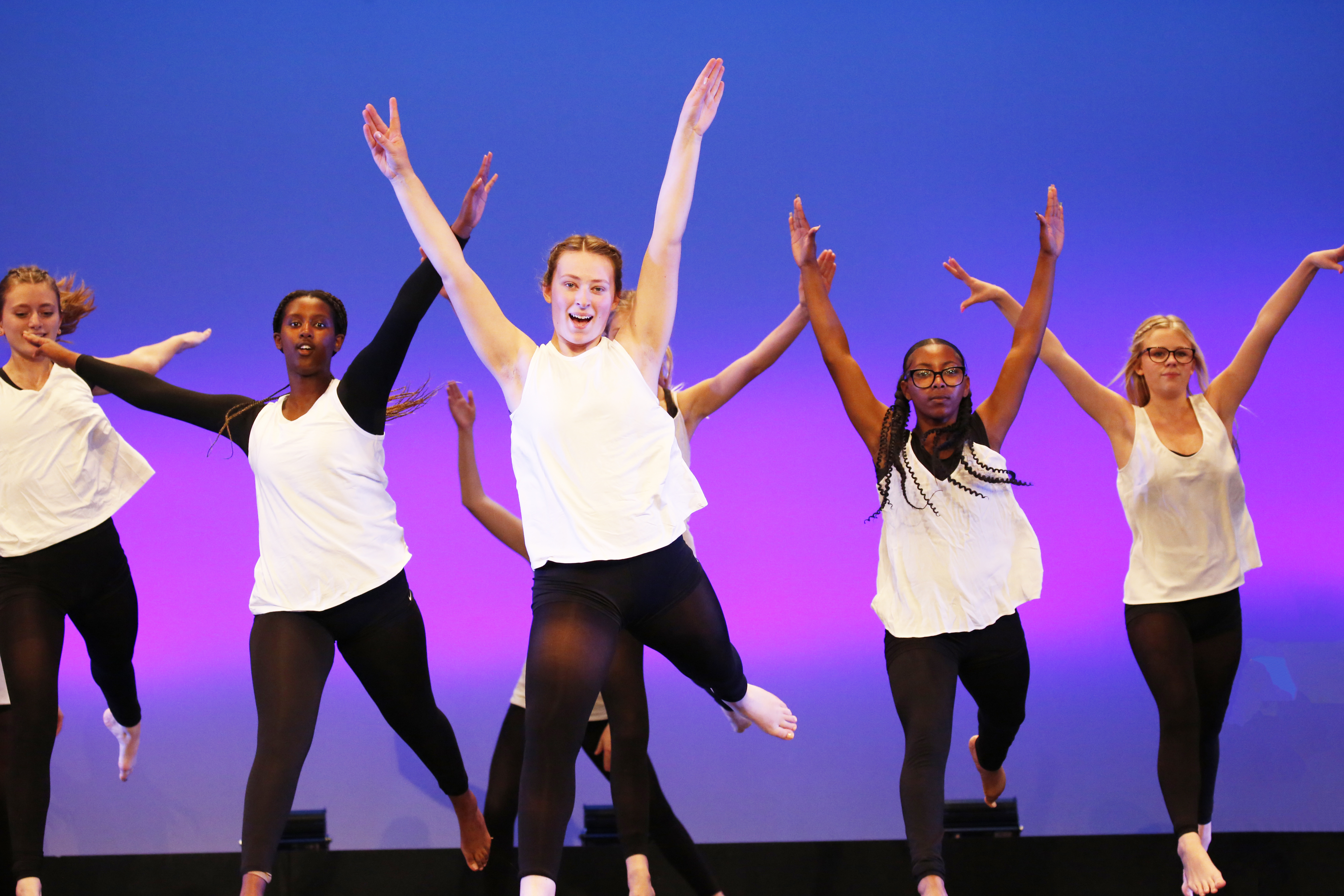
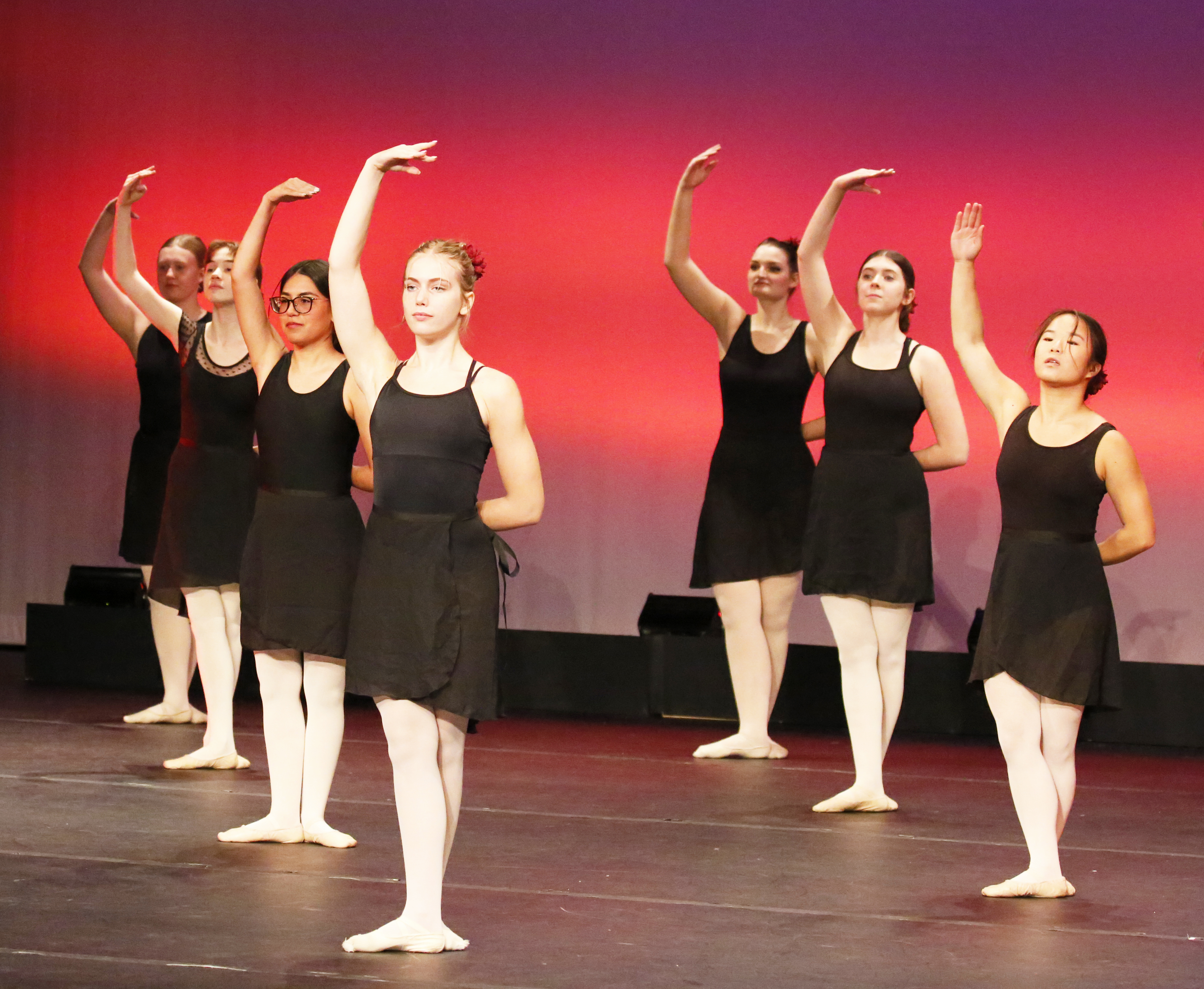
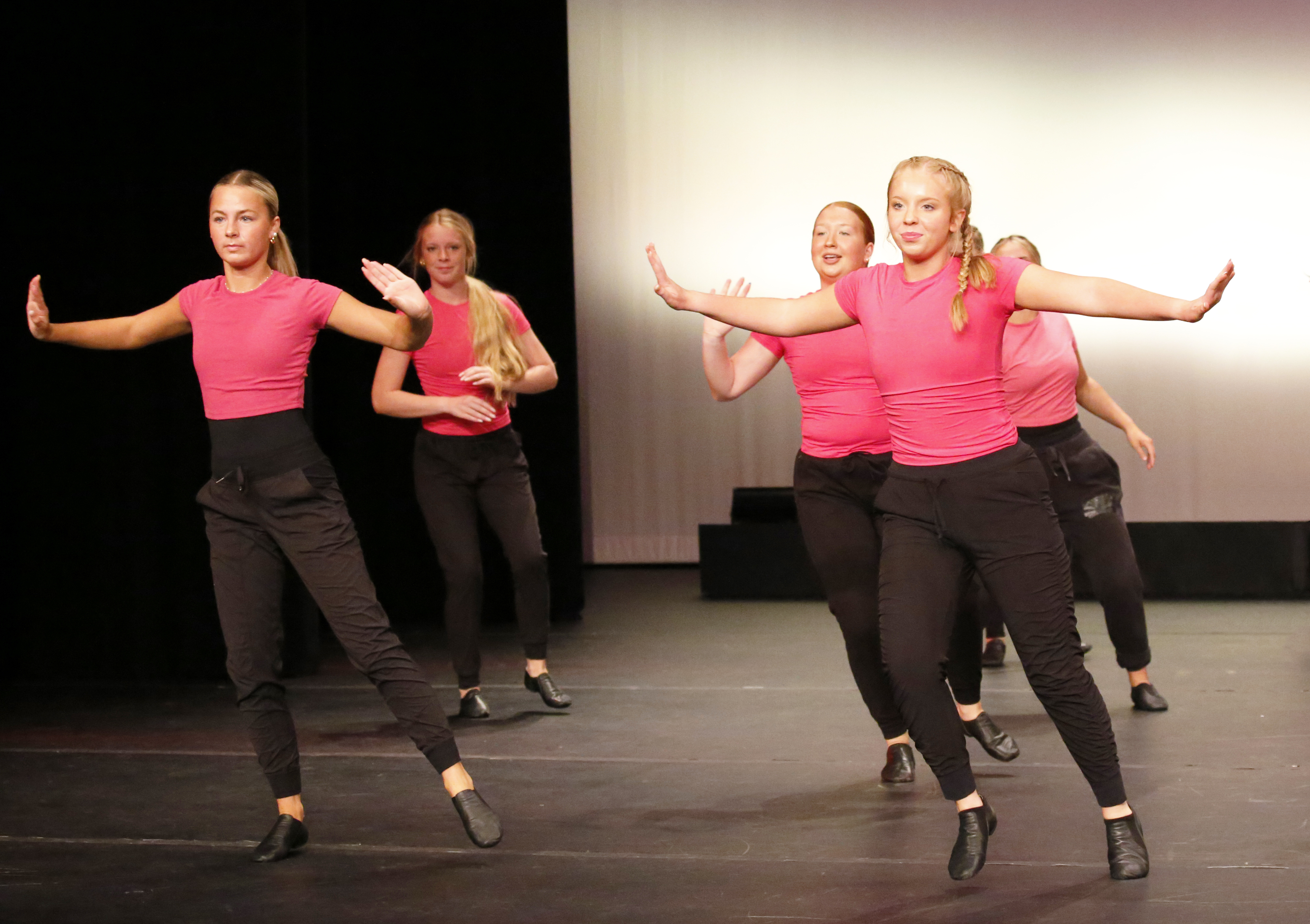
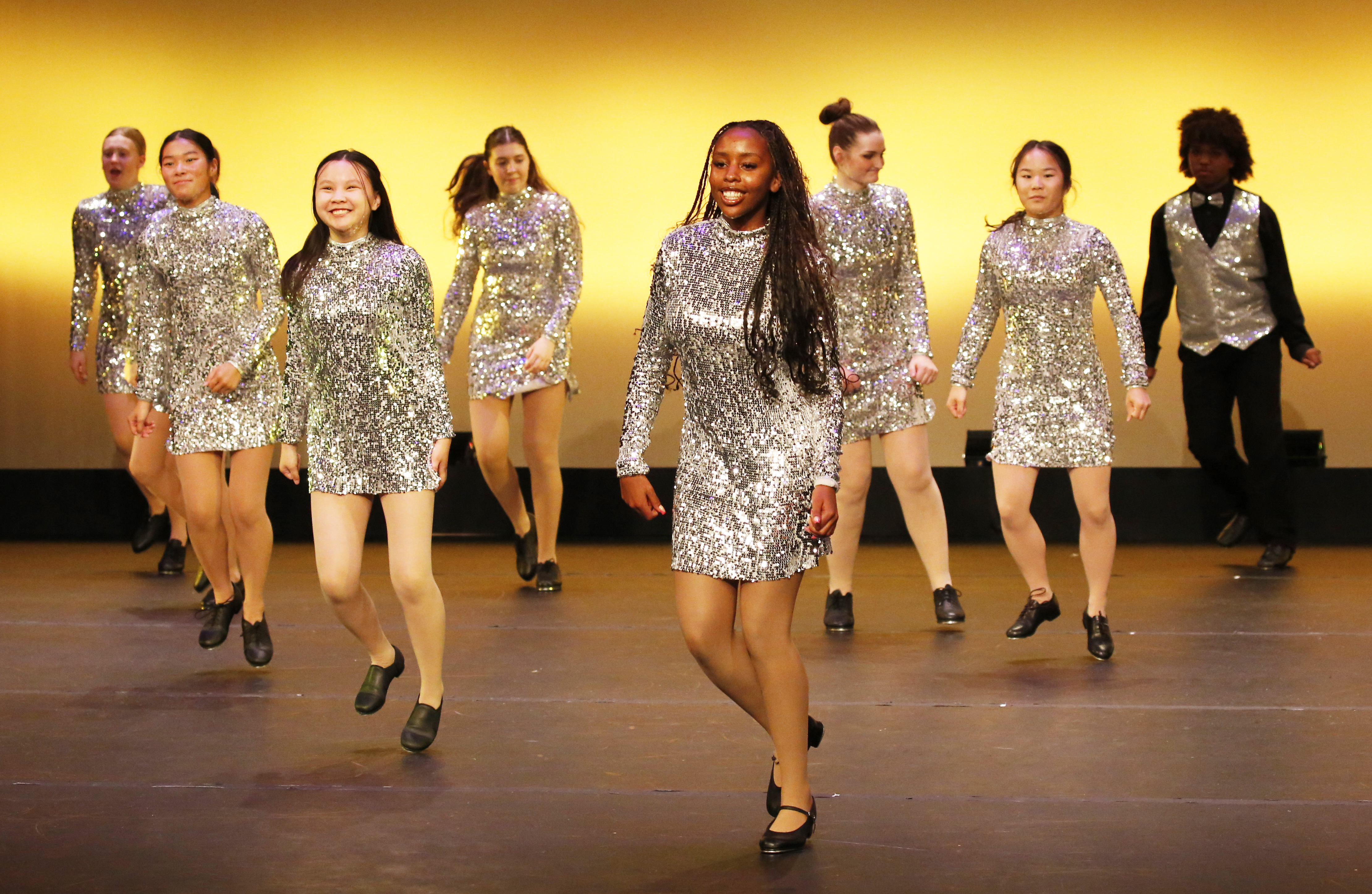
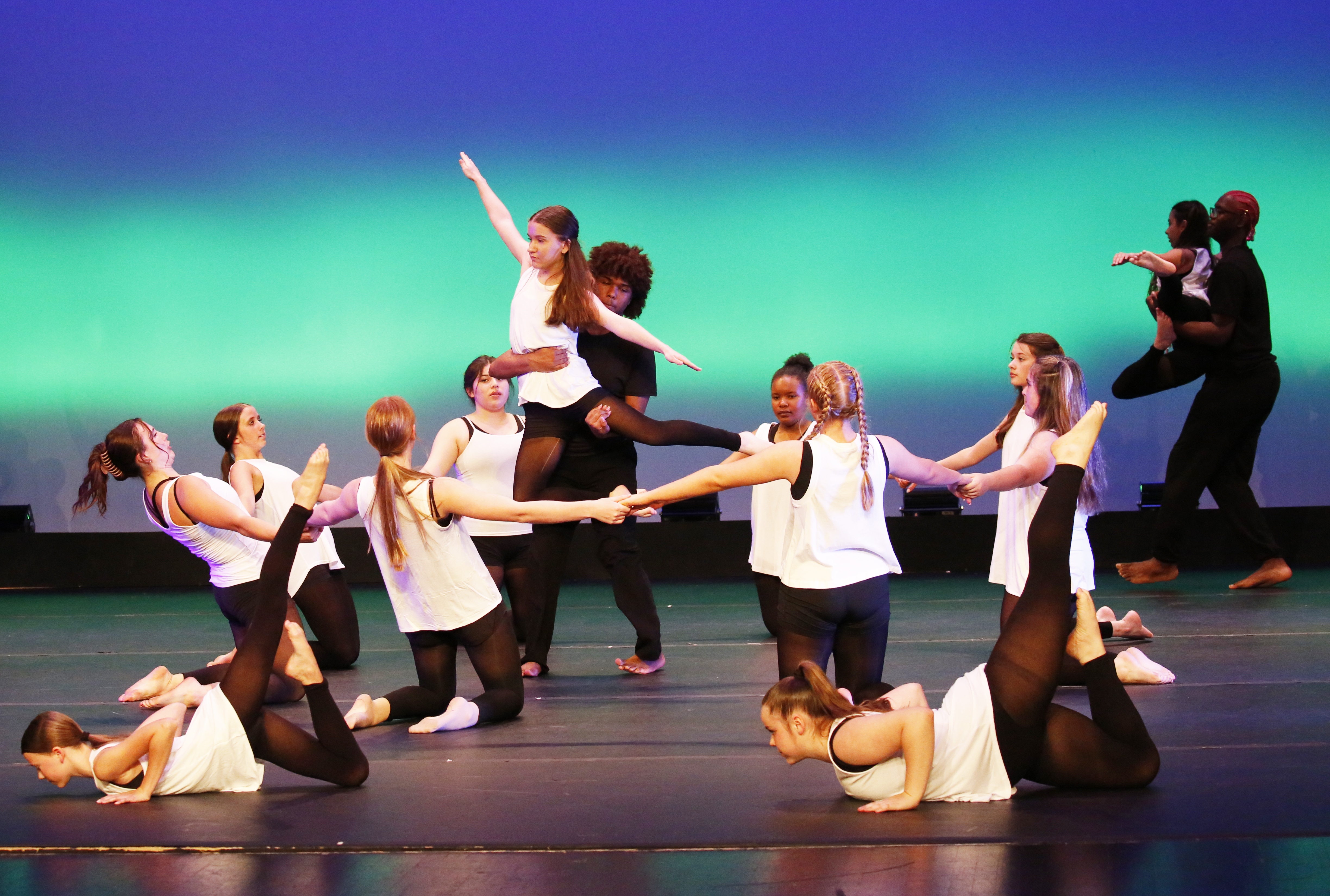
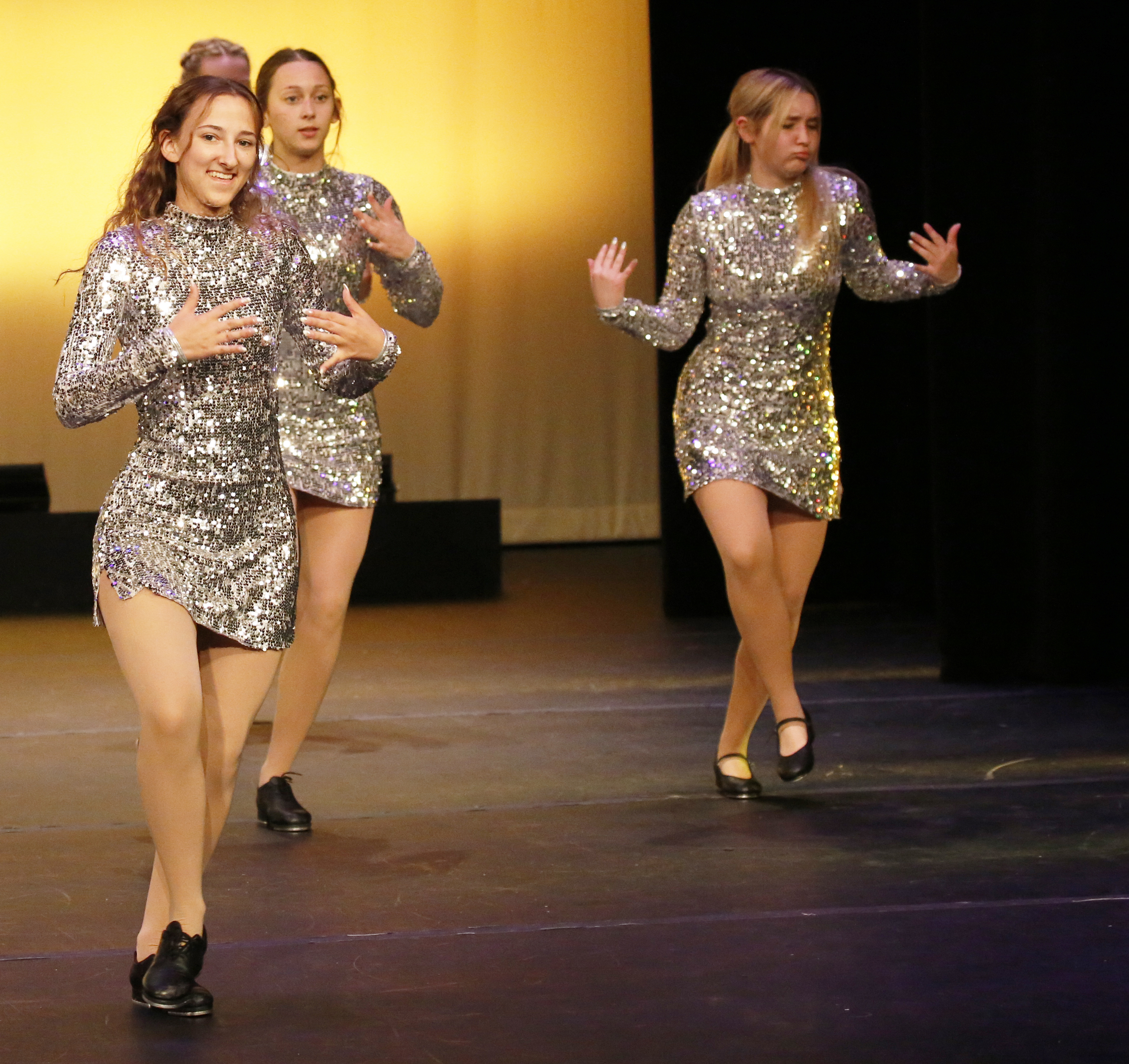
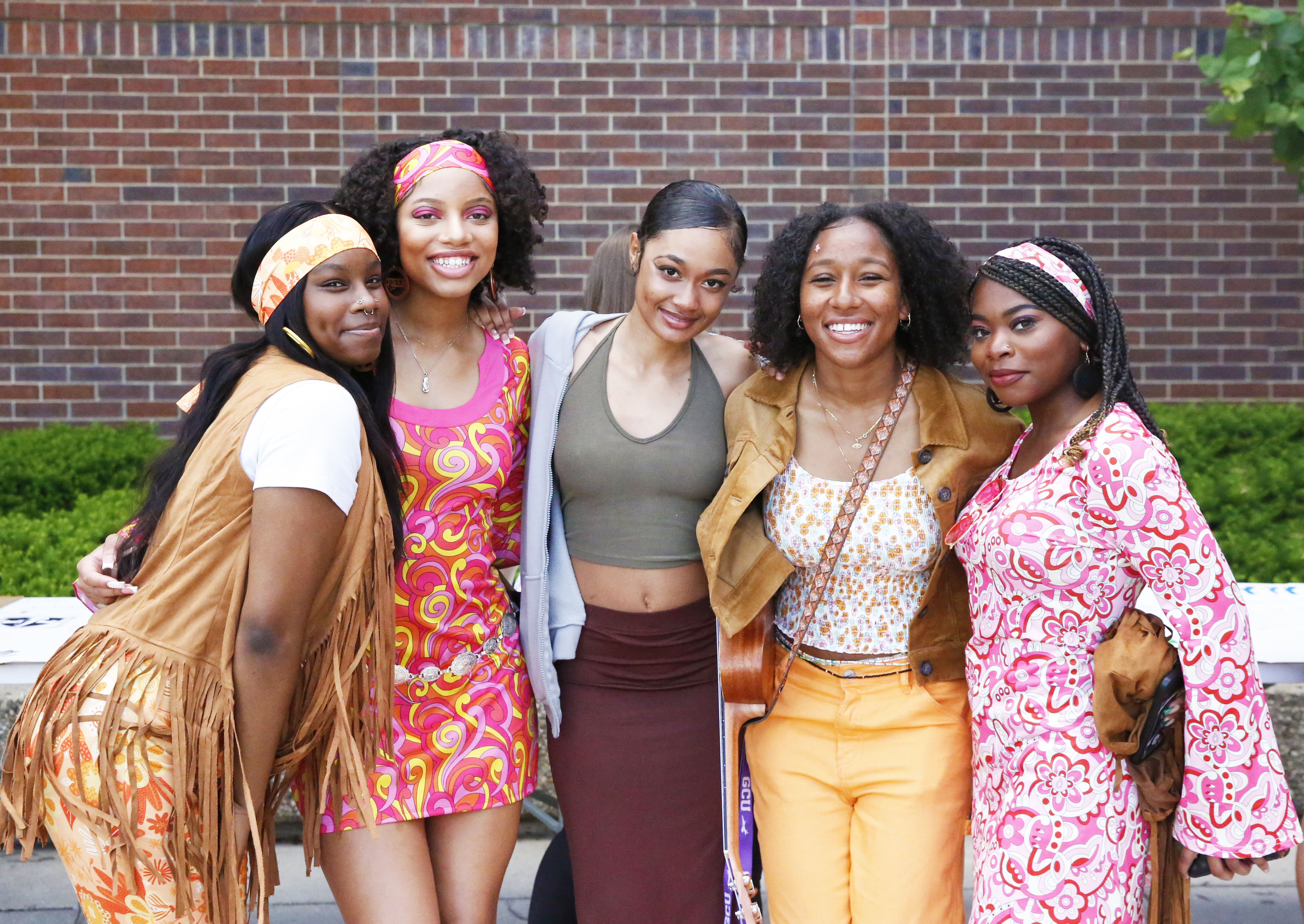
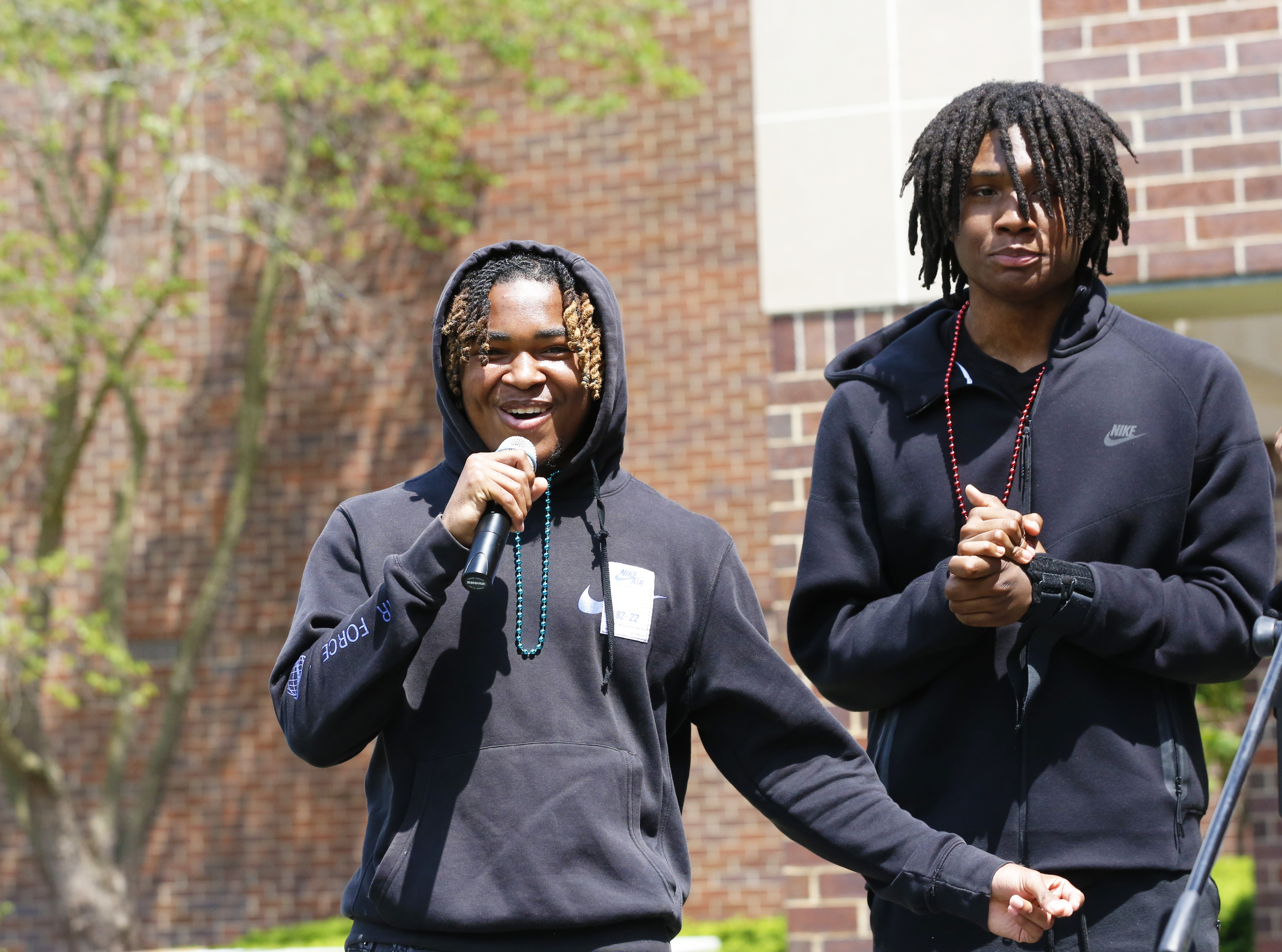
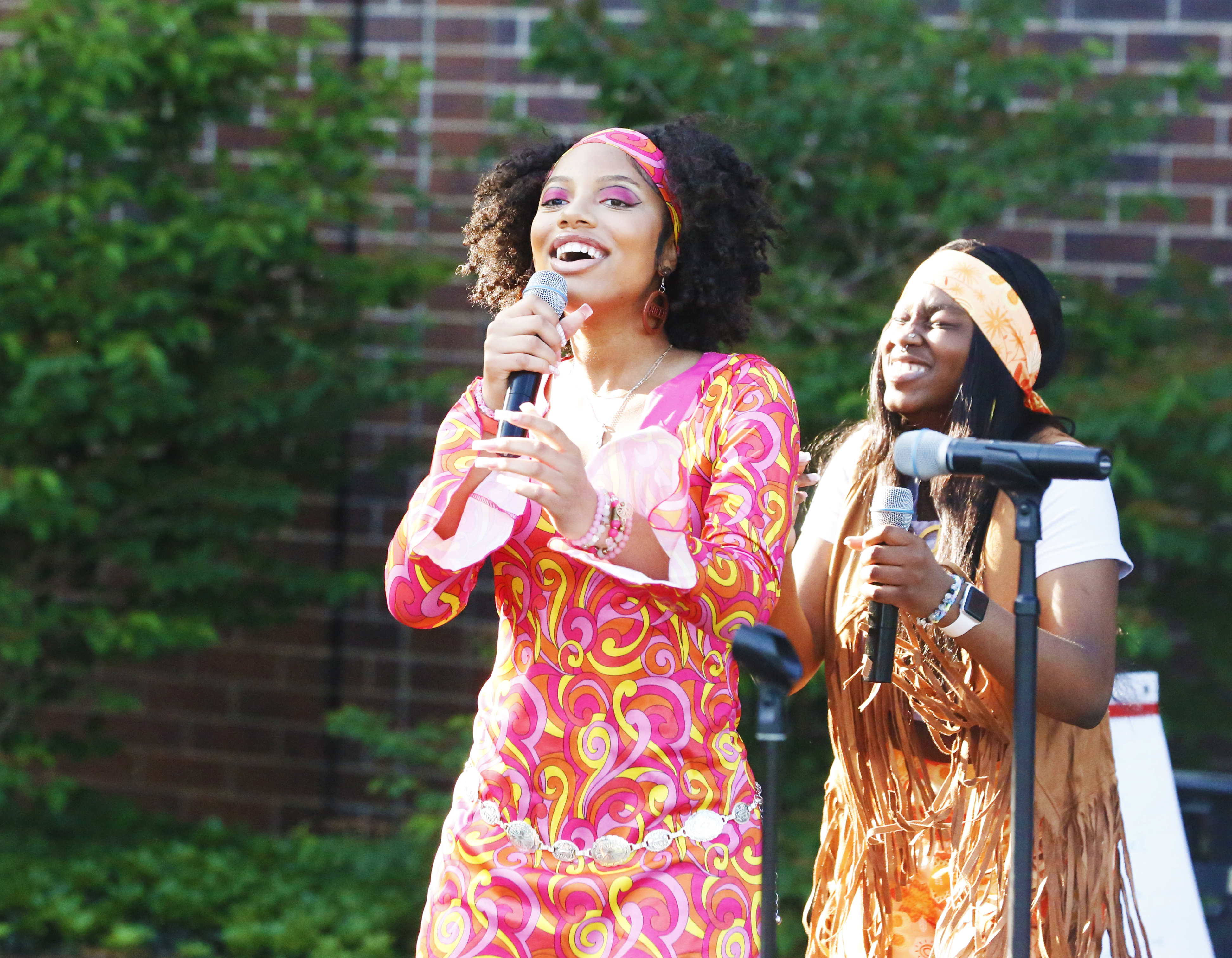
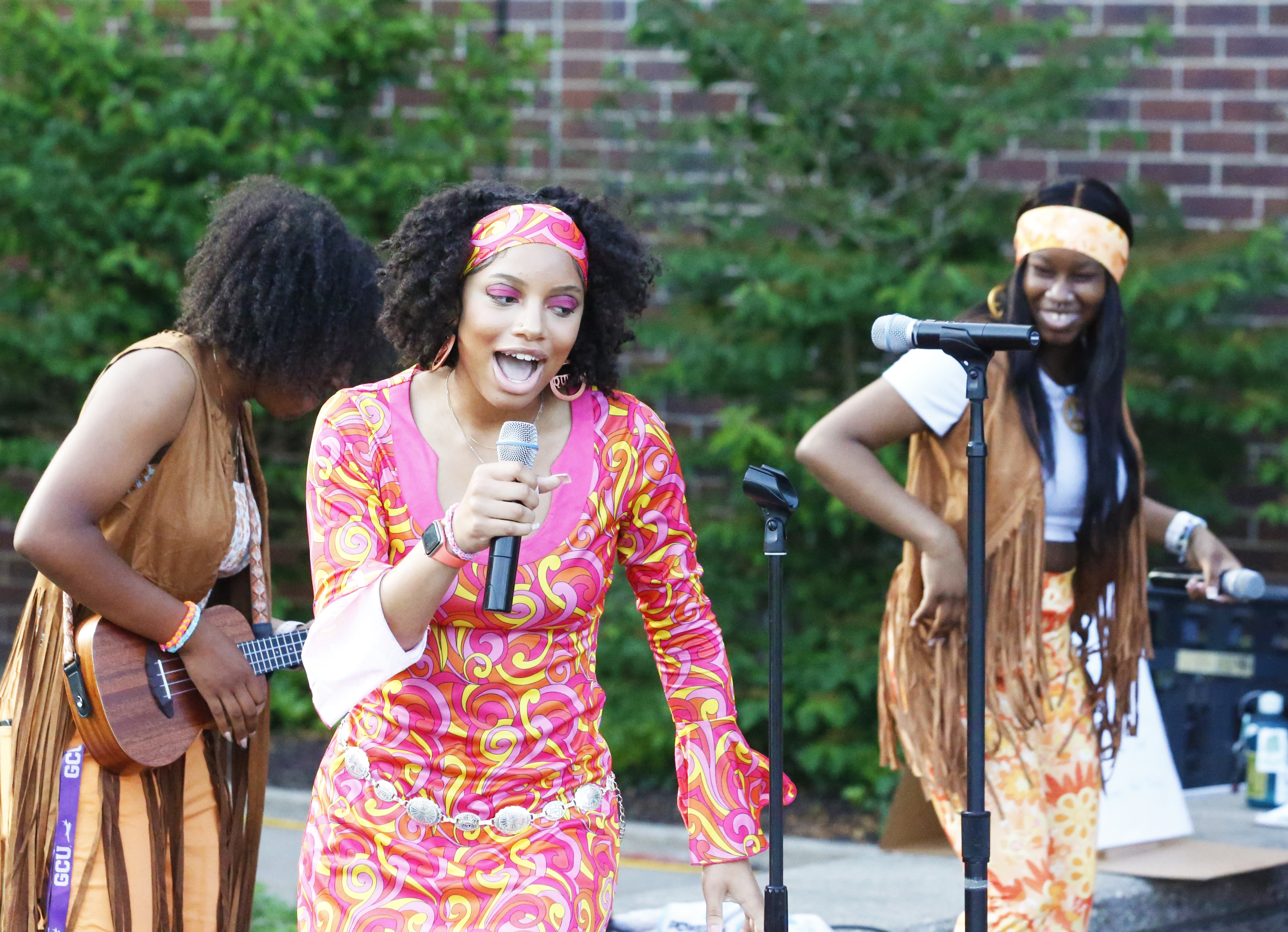
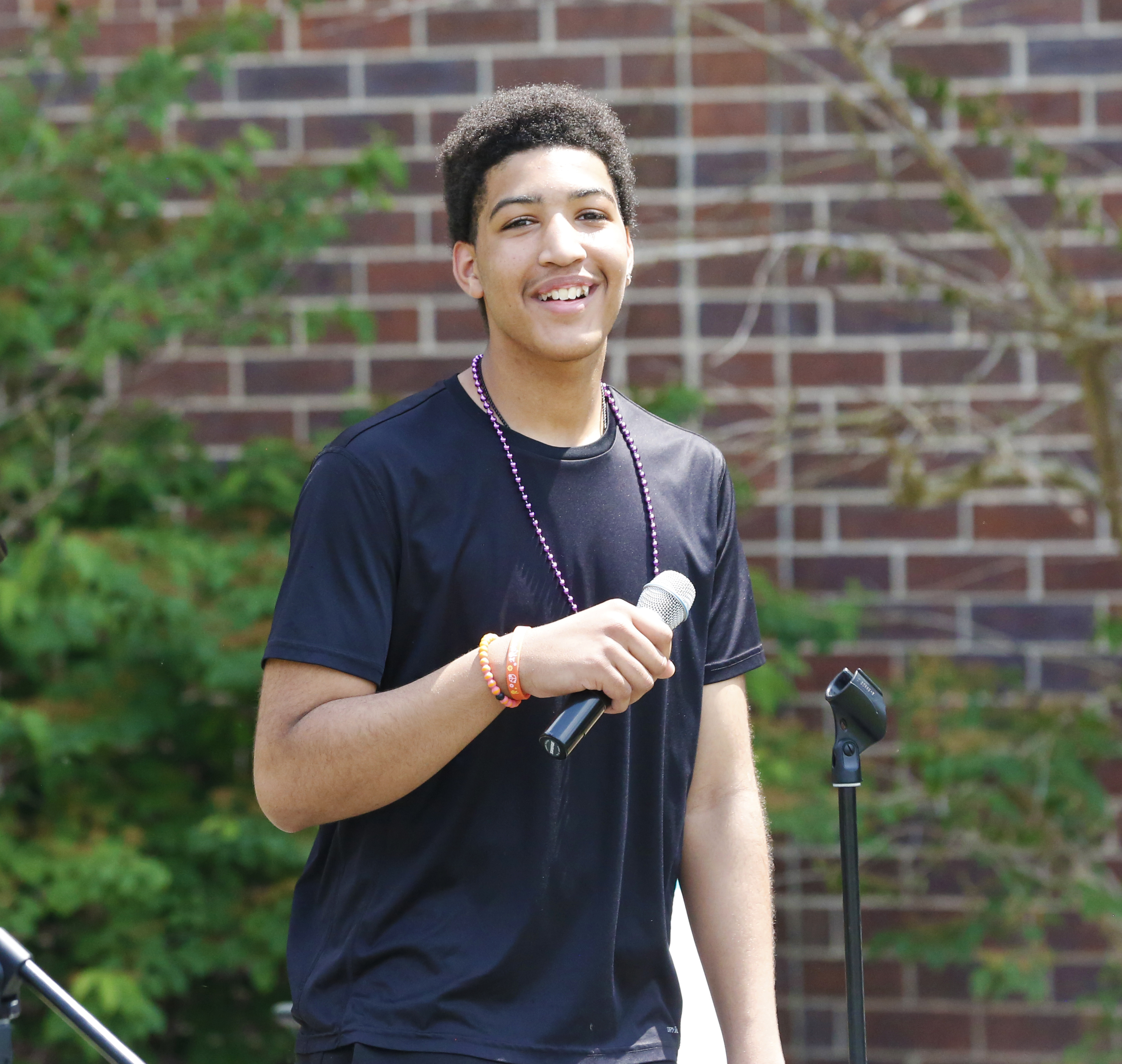
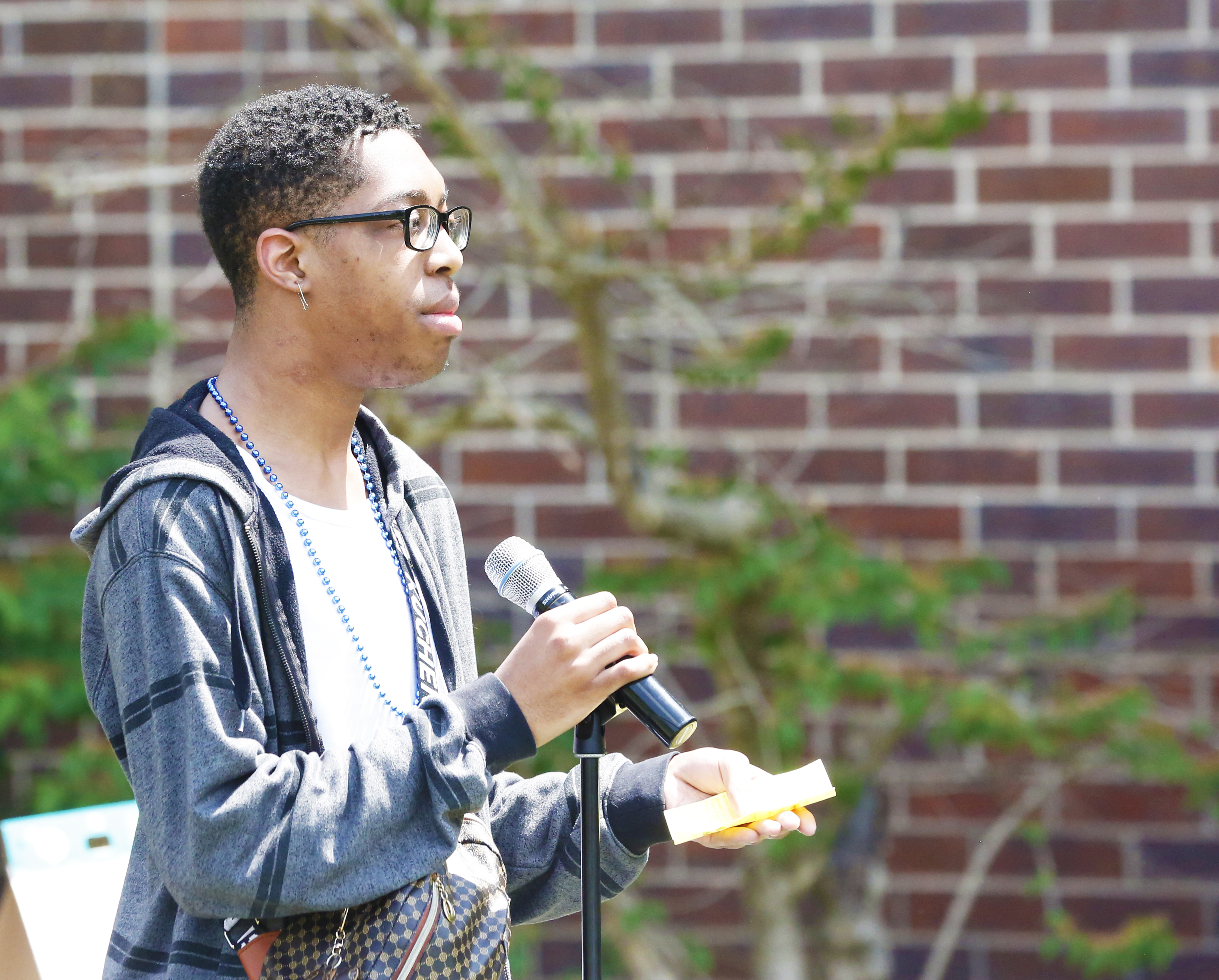
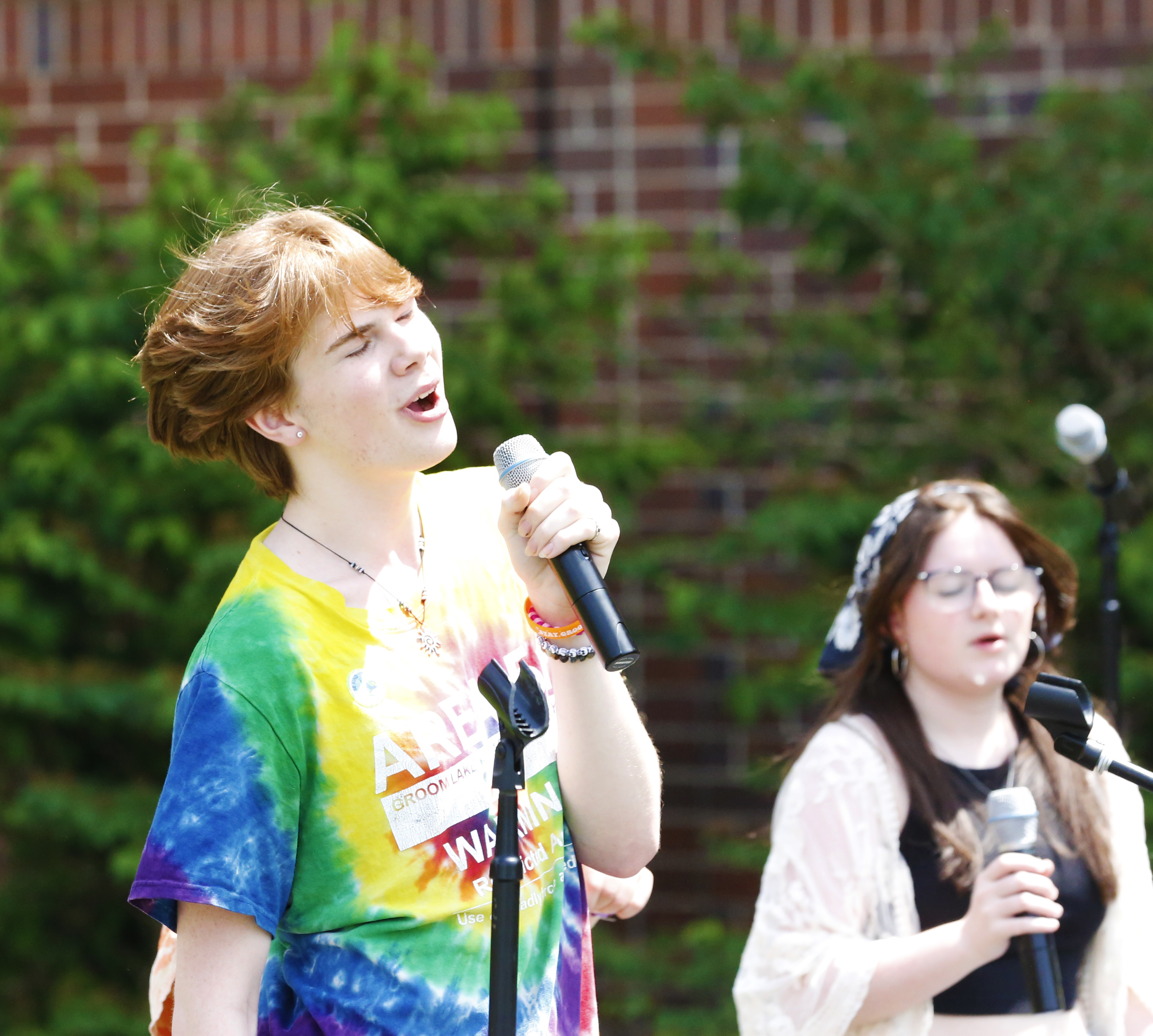
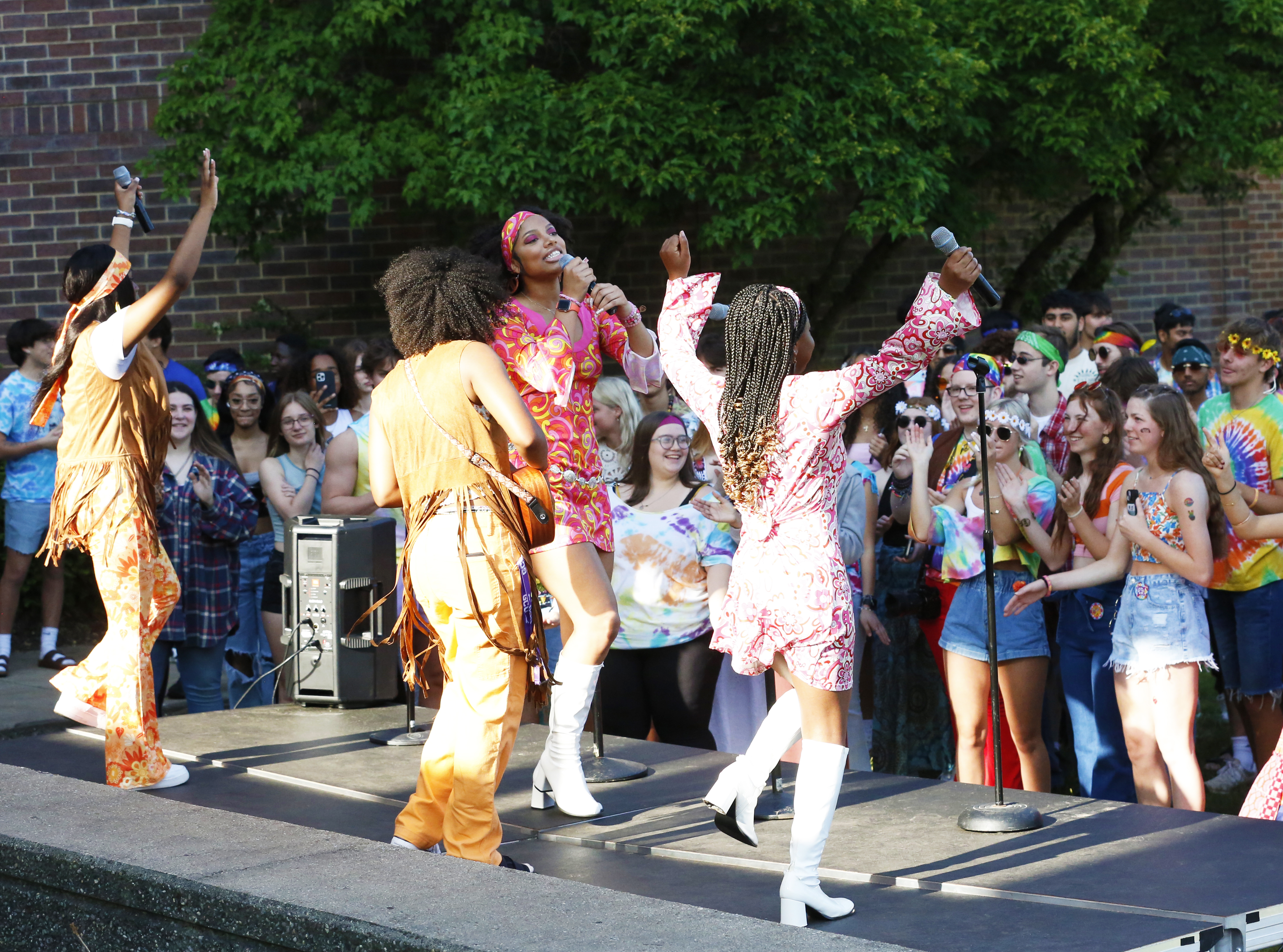
U.S. History classes celebrate Pennstock 2024
U.S. History classes at Penn High brought the music, speeches and historical times of the 1960’s to life with Pennstock.
A Photo Gallery is posted below:


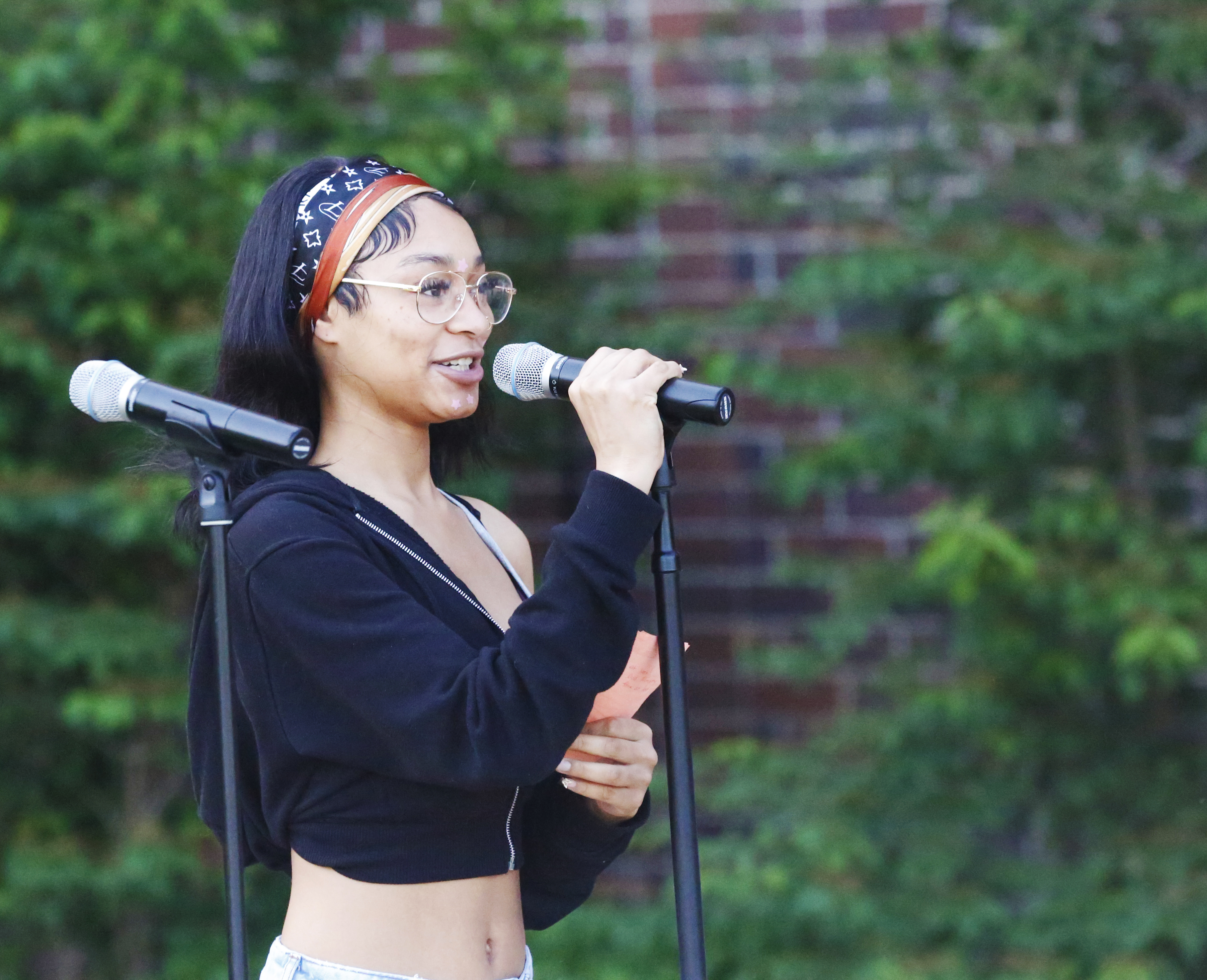
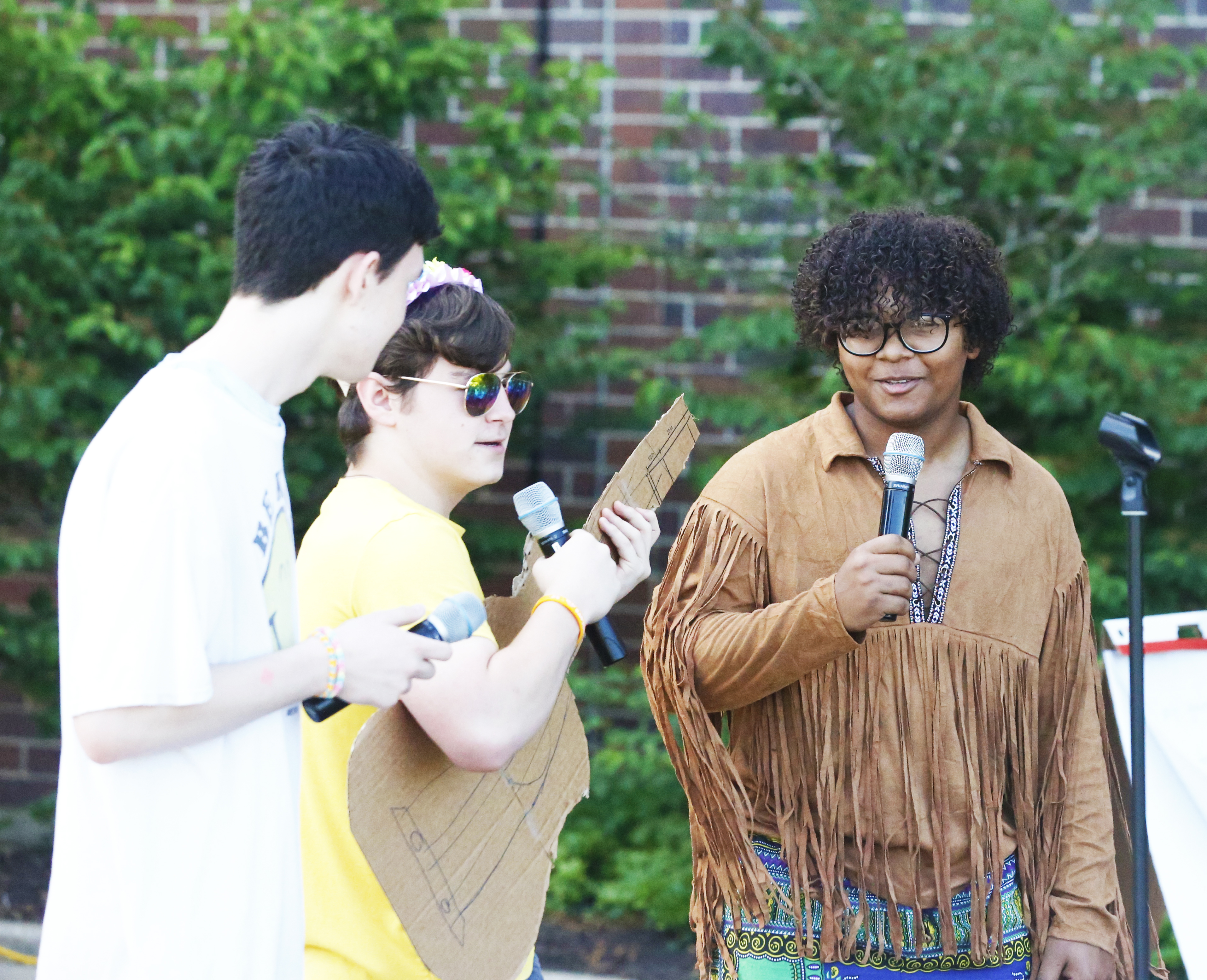
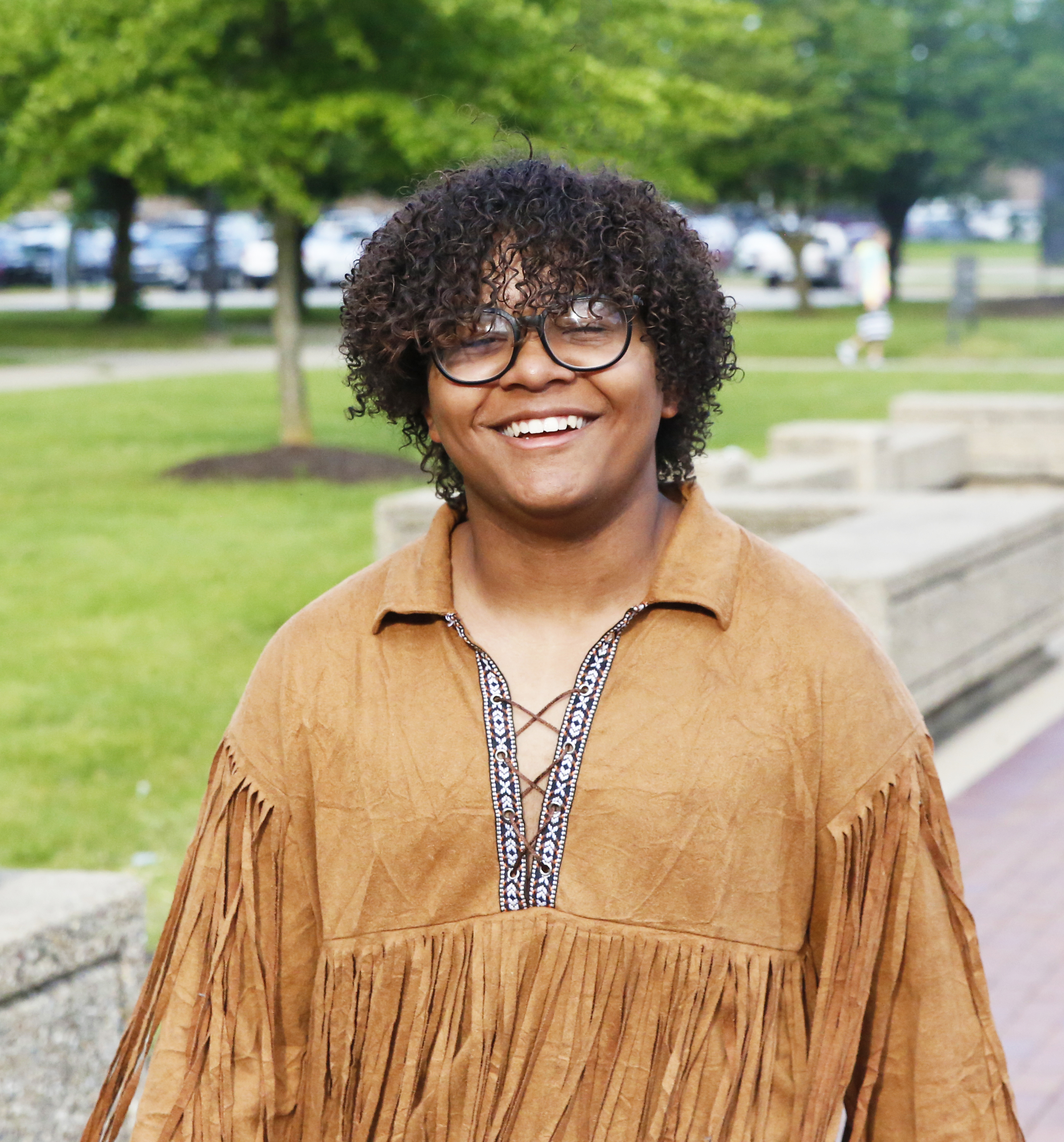







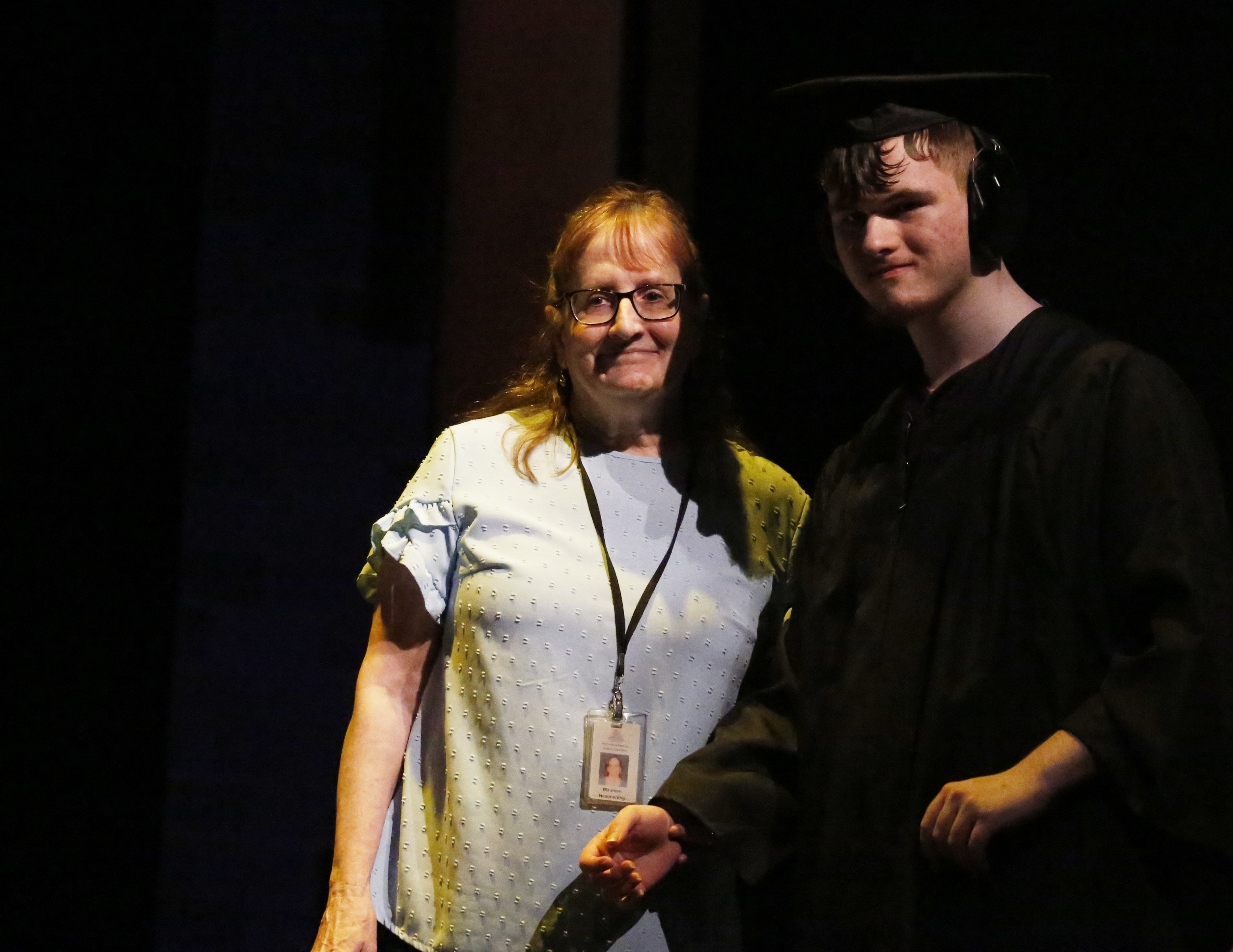
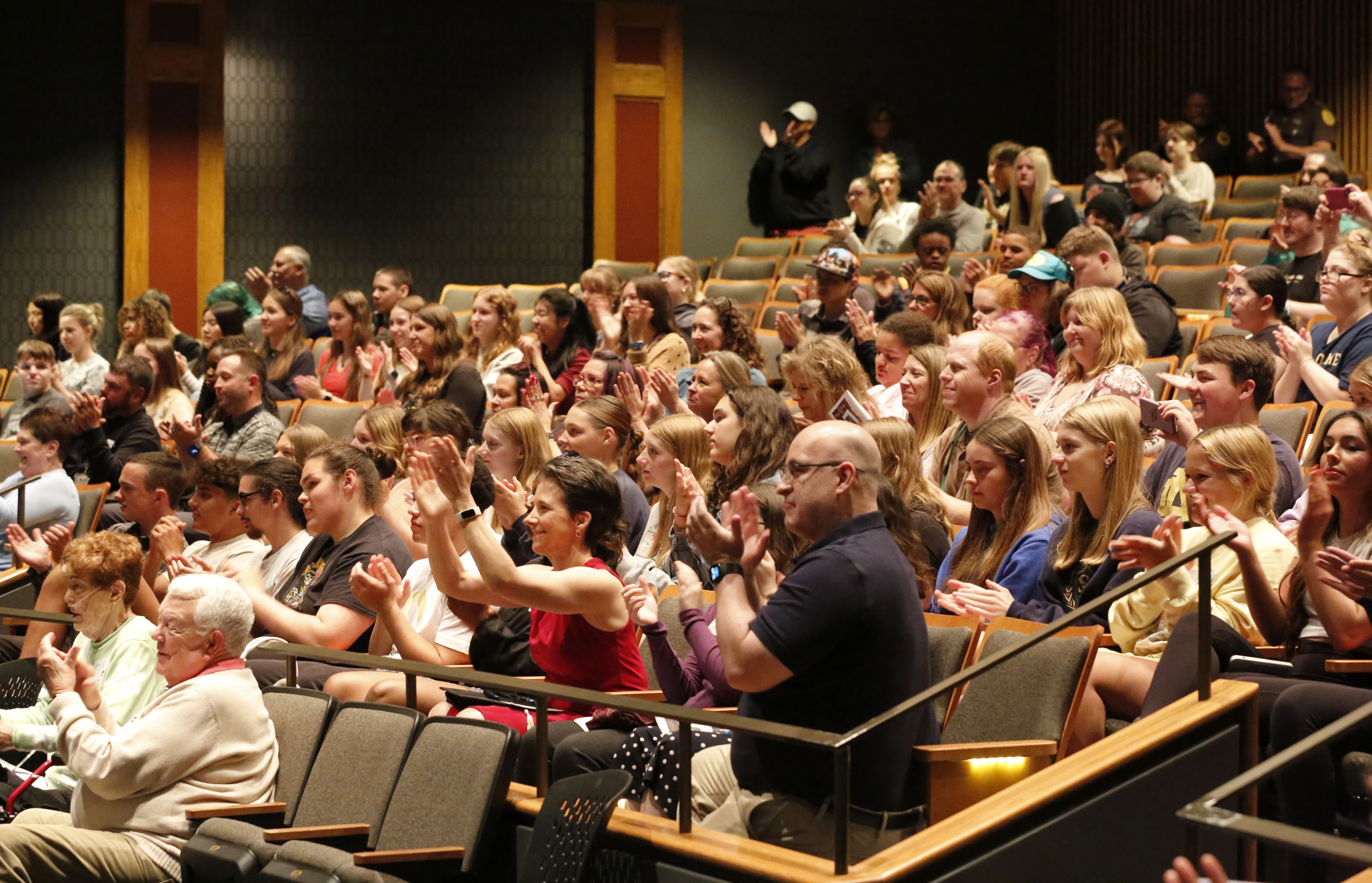
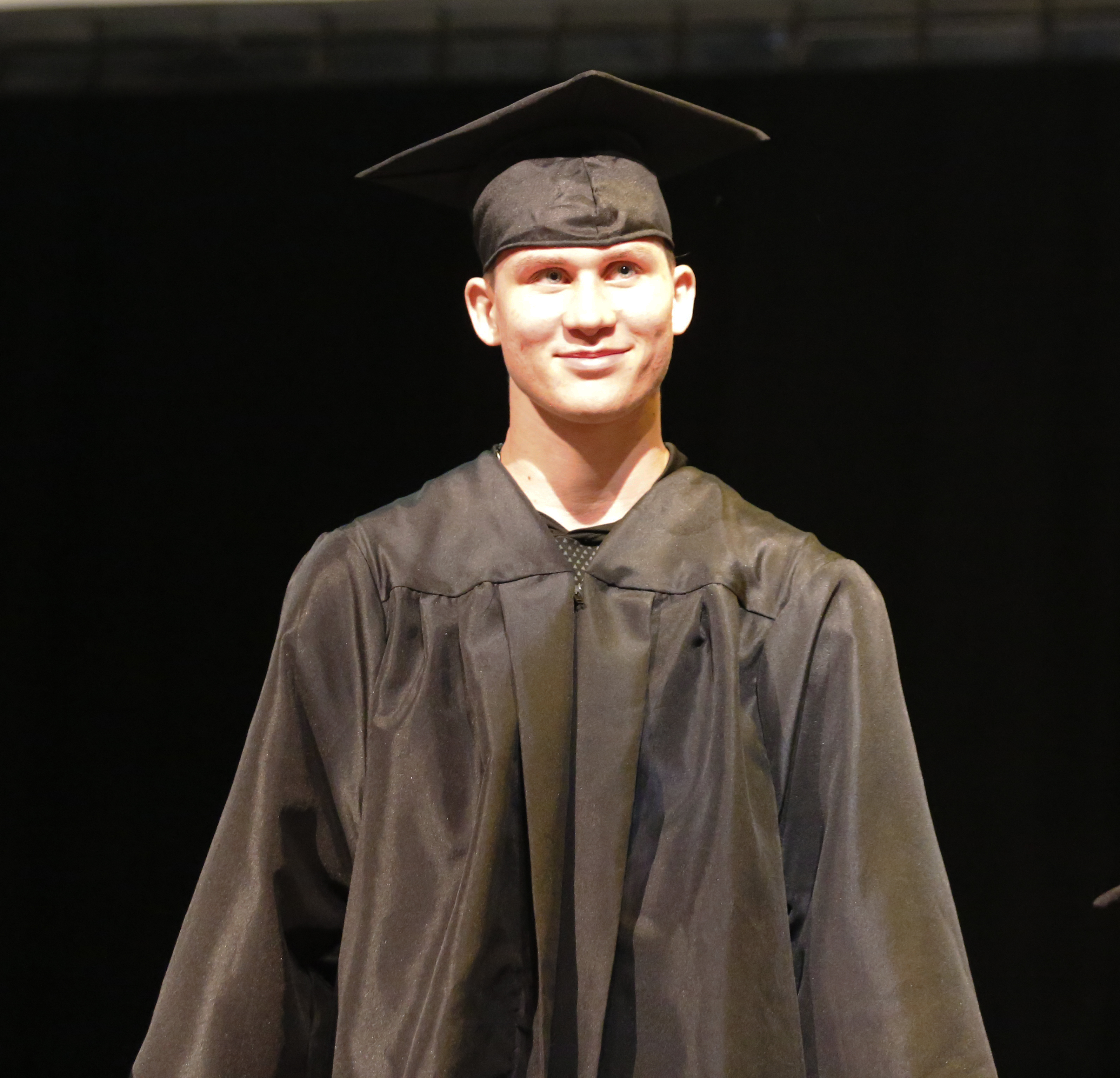
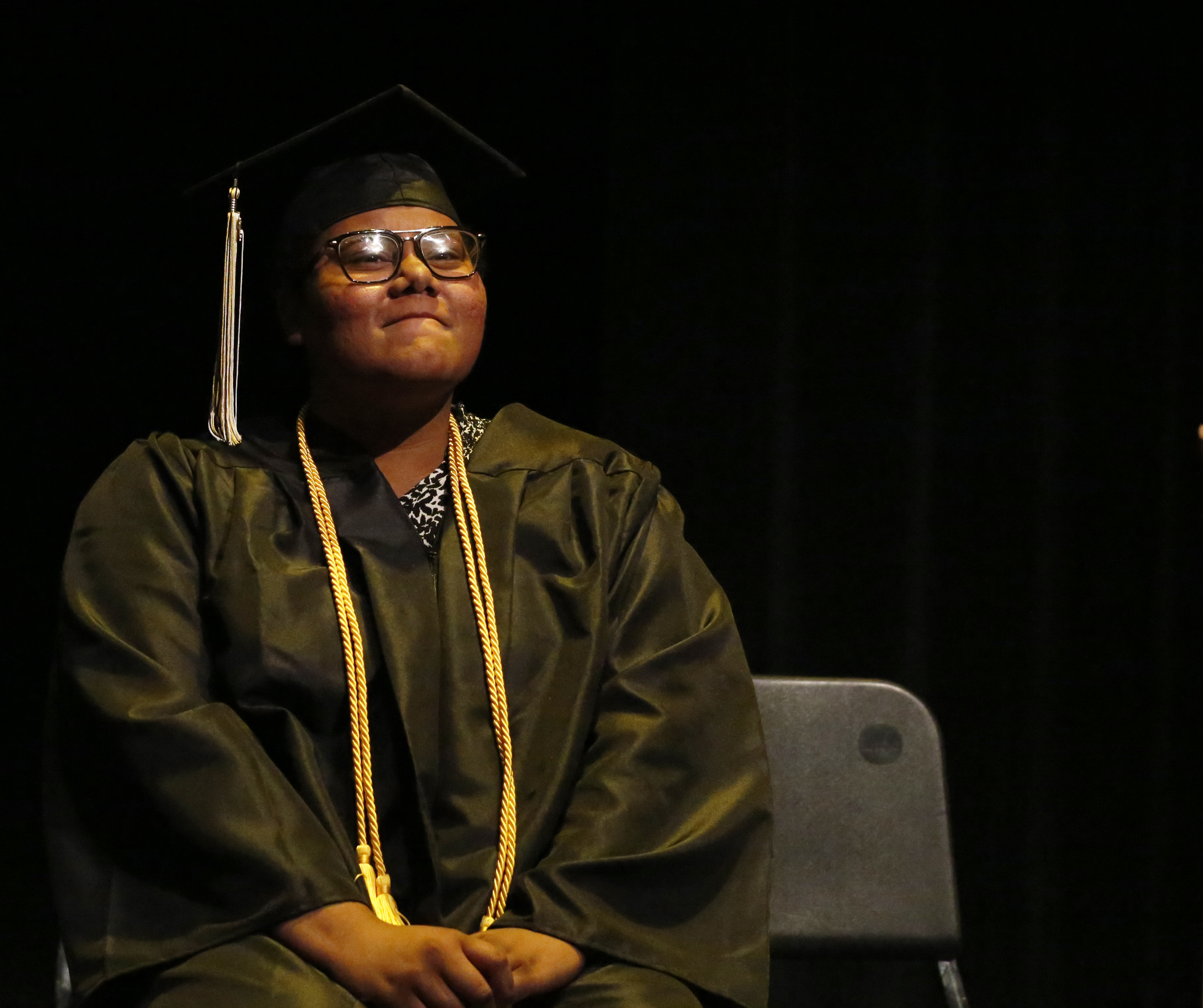
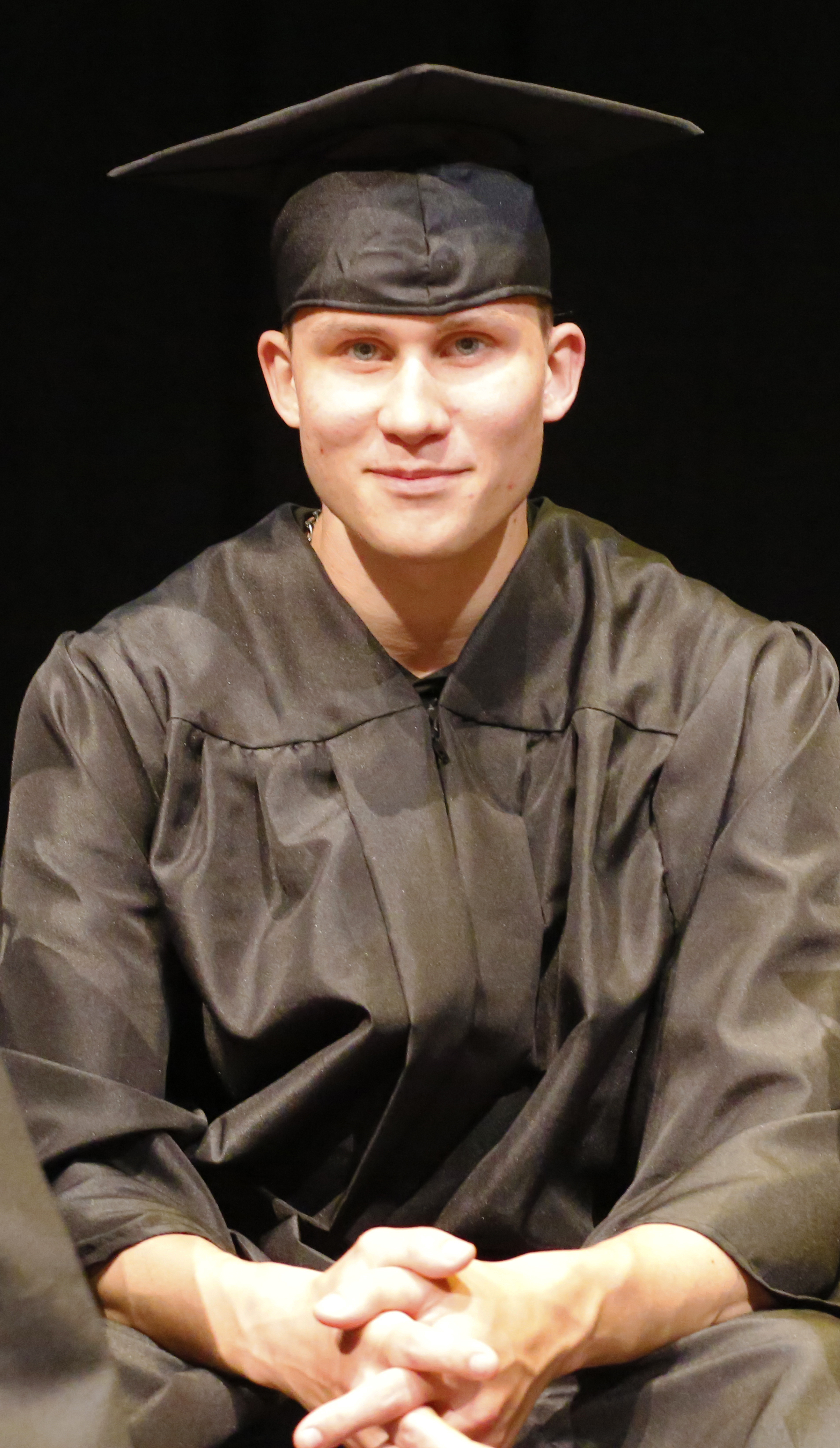
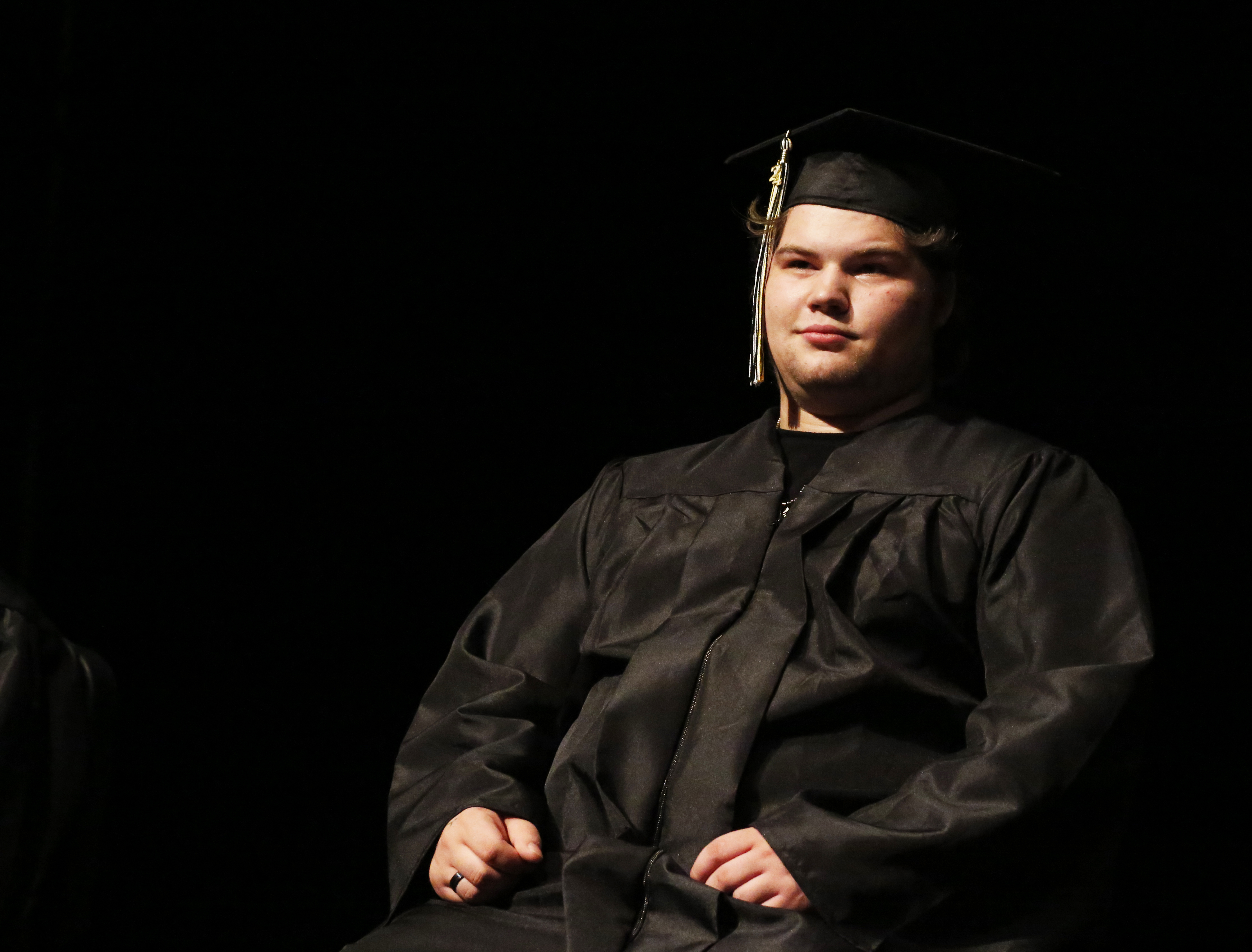
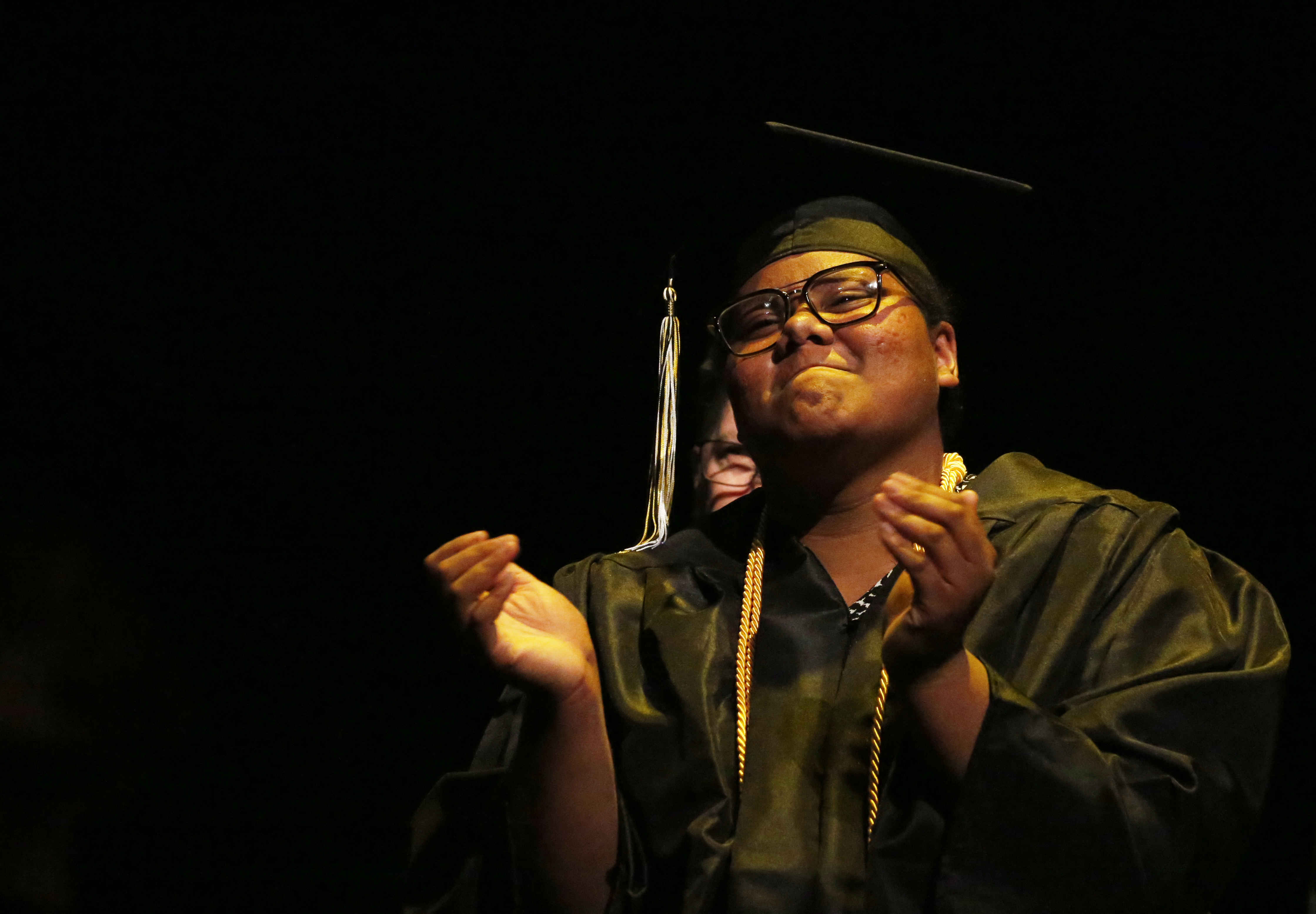
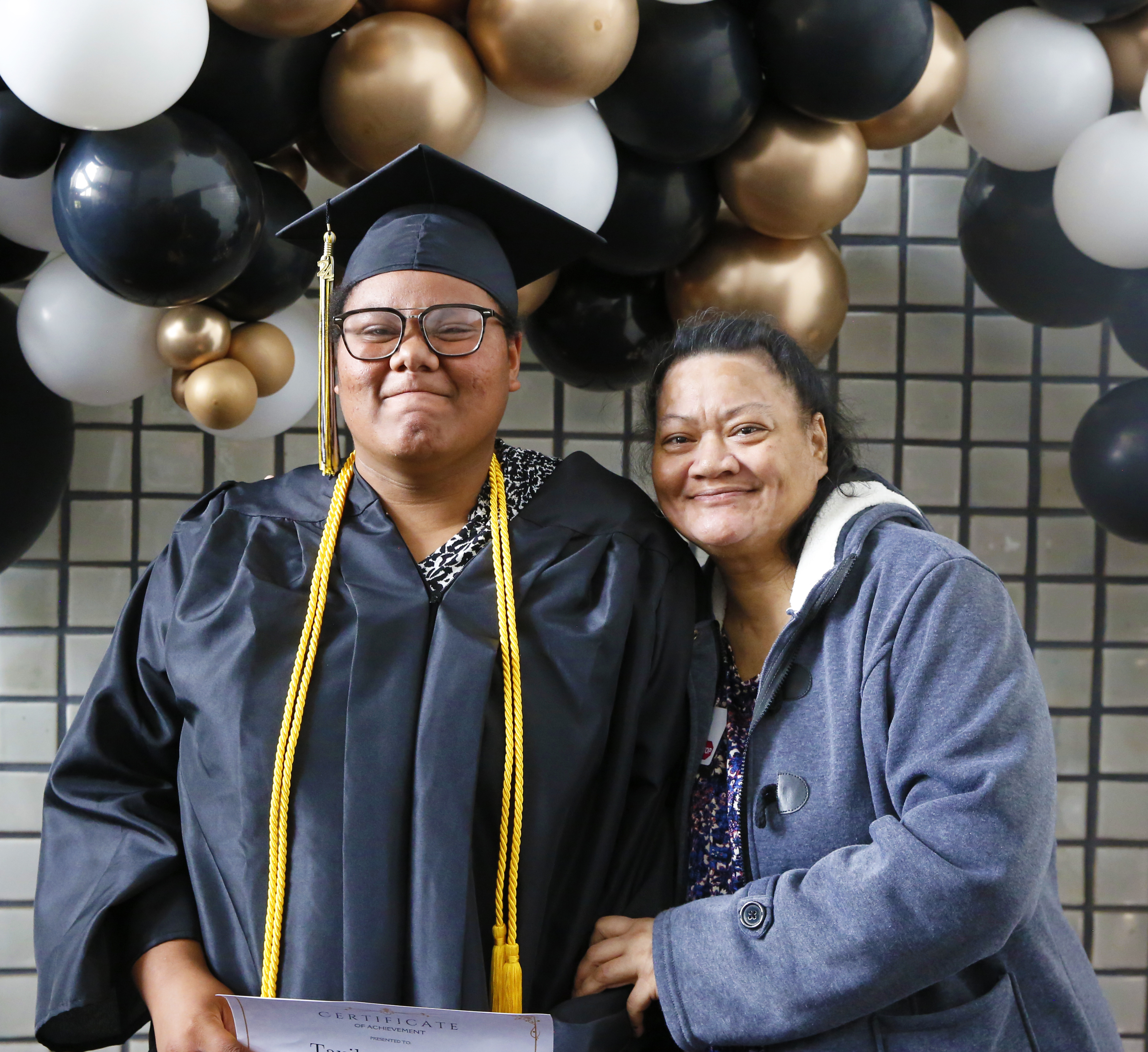
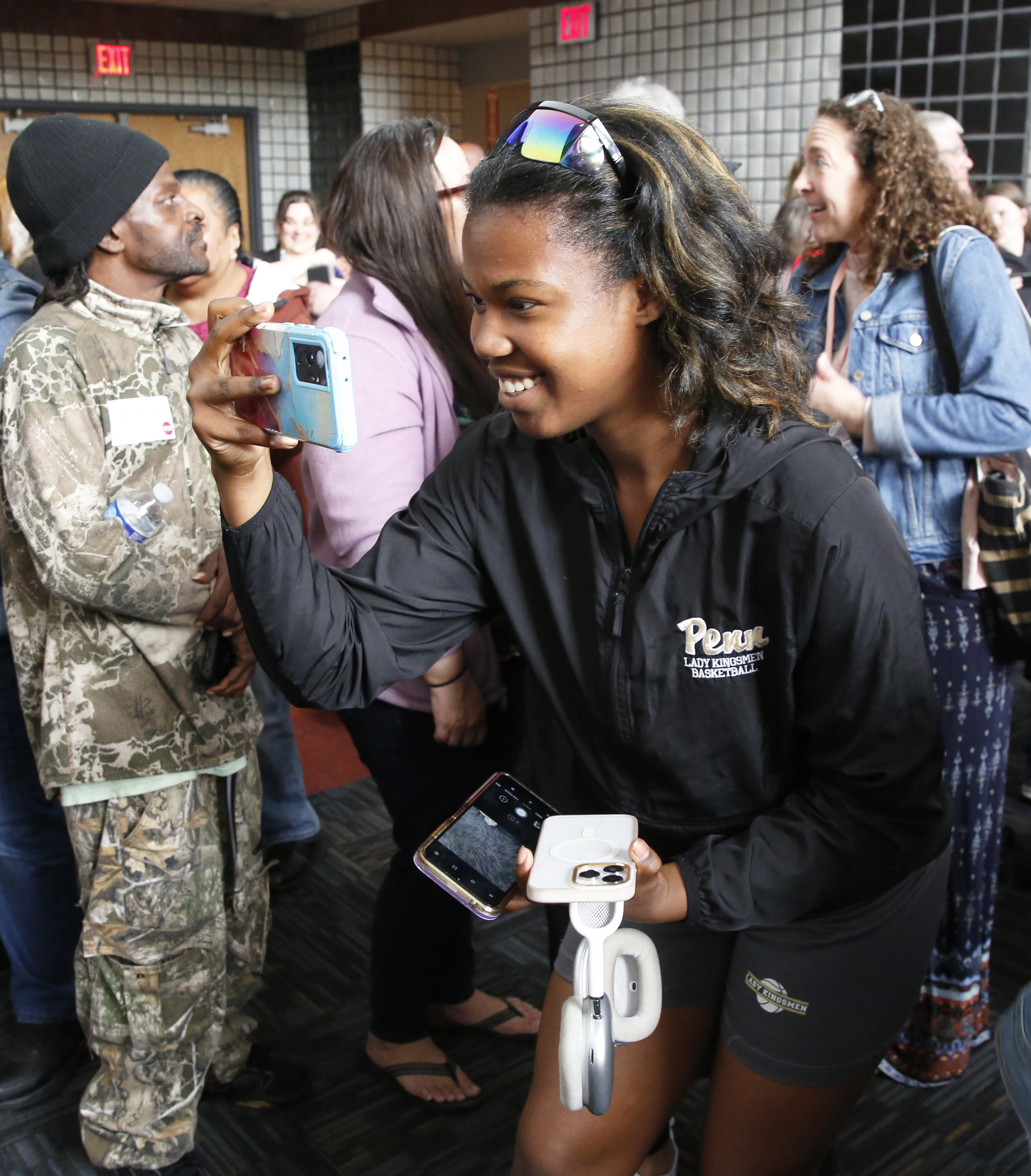
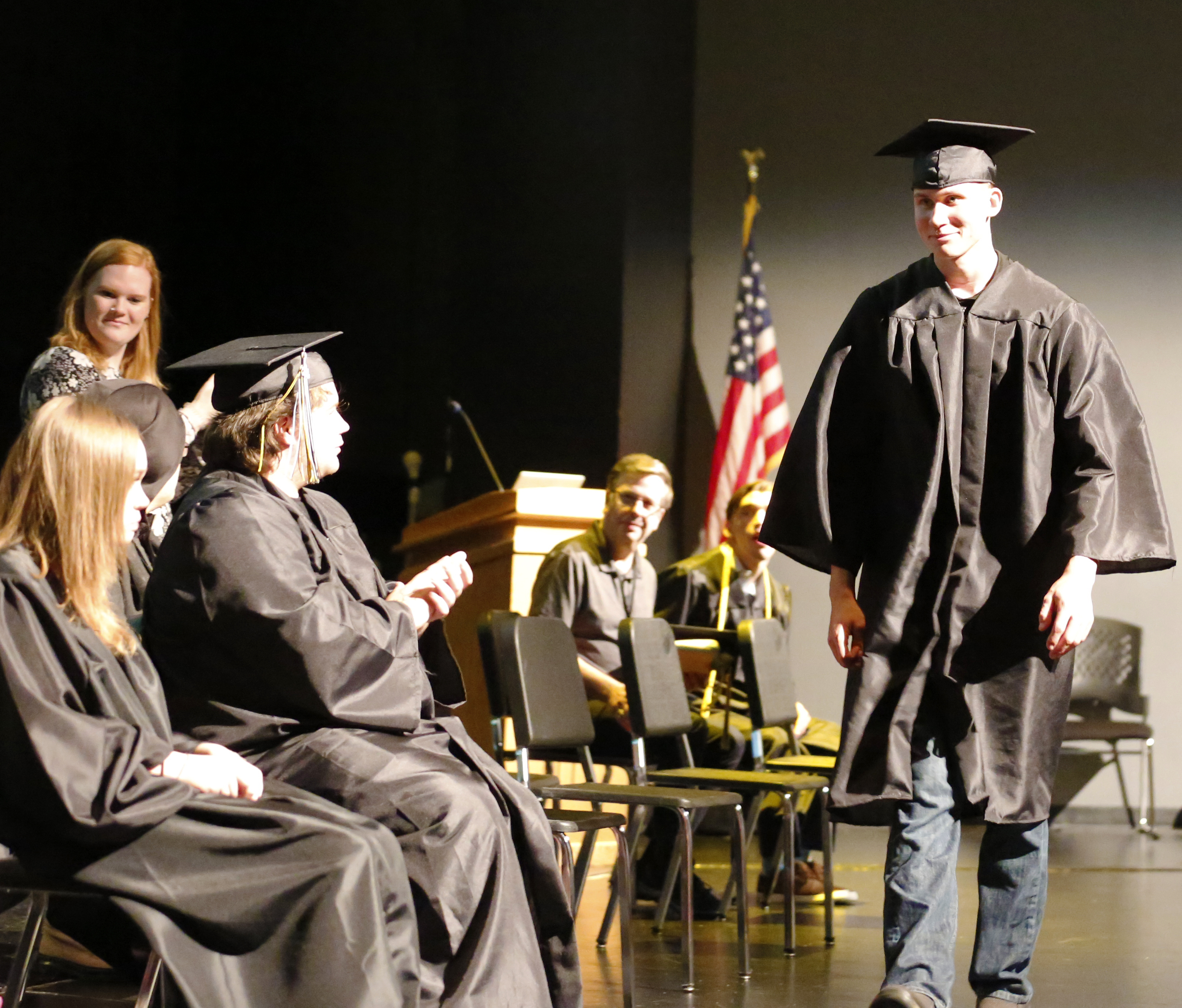
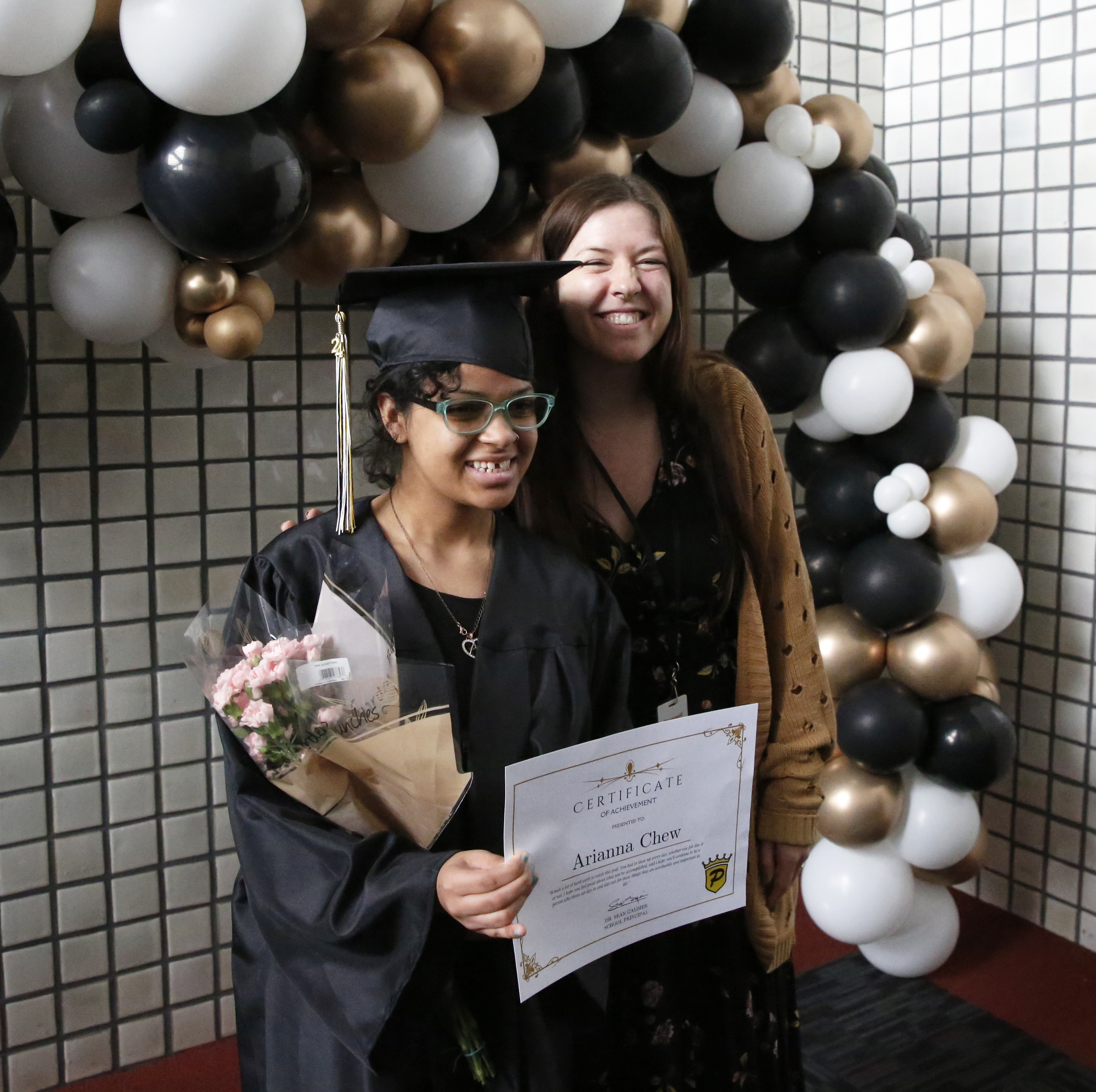
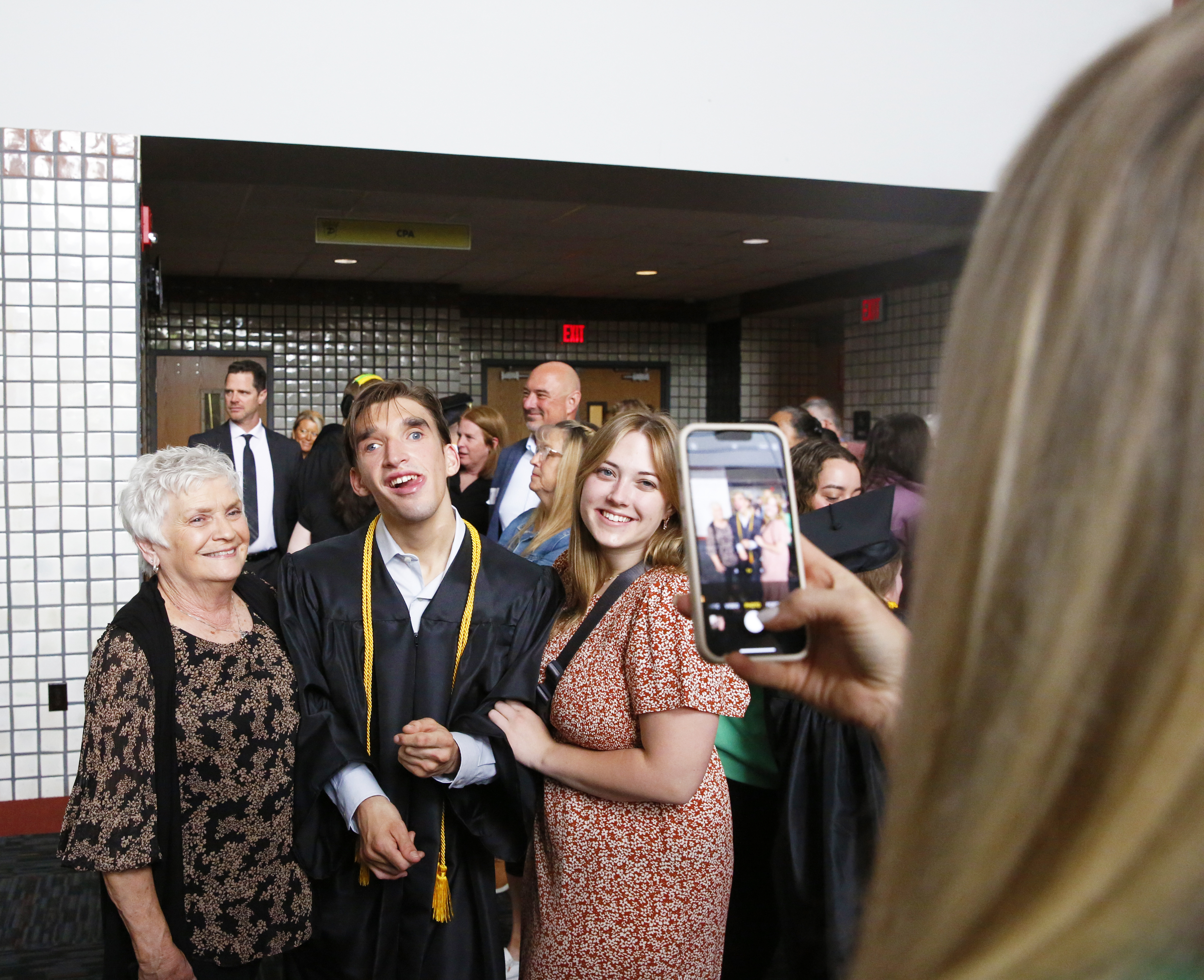
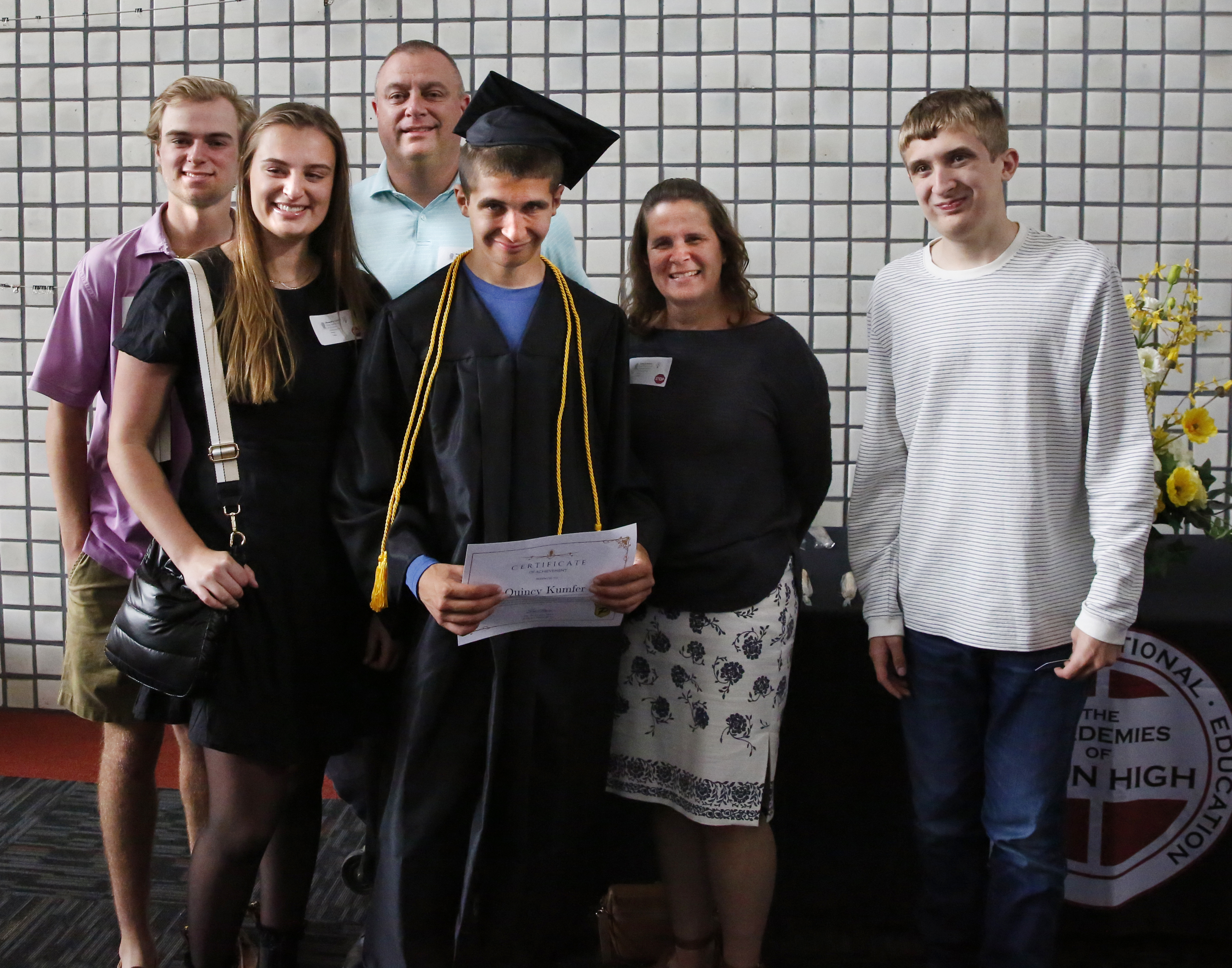
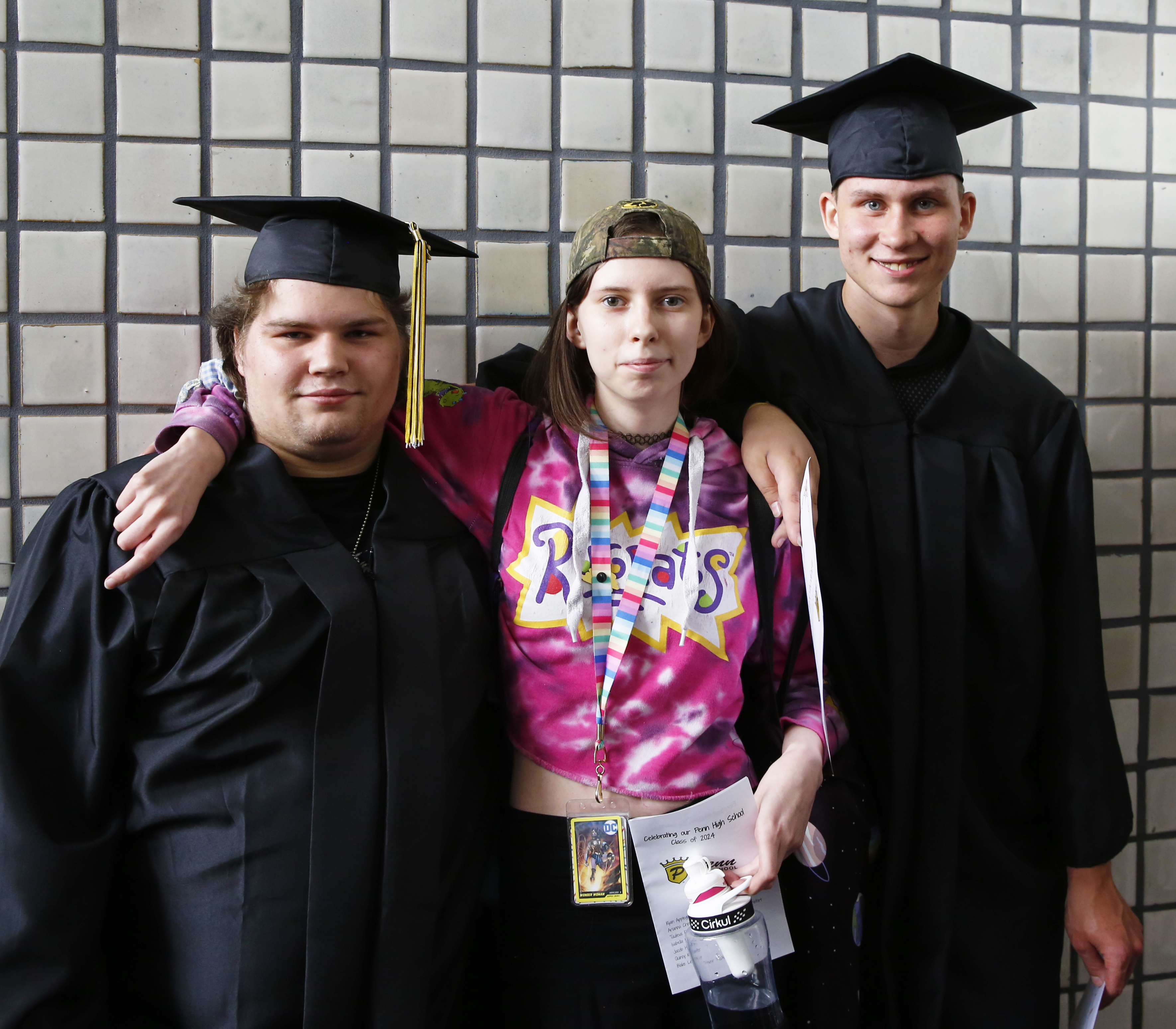
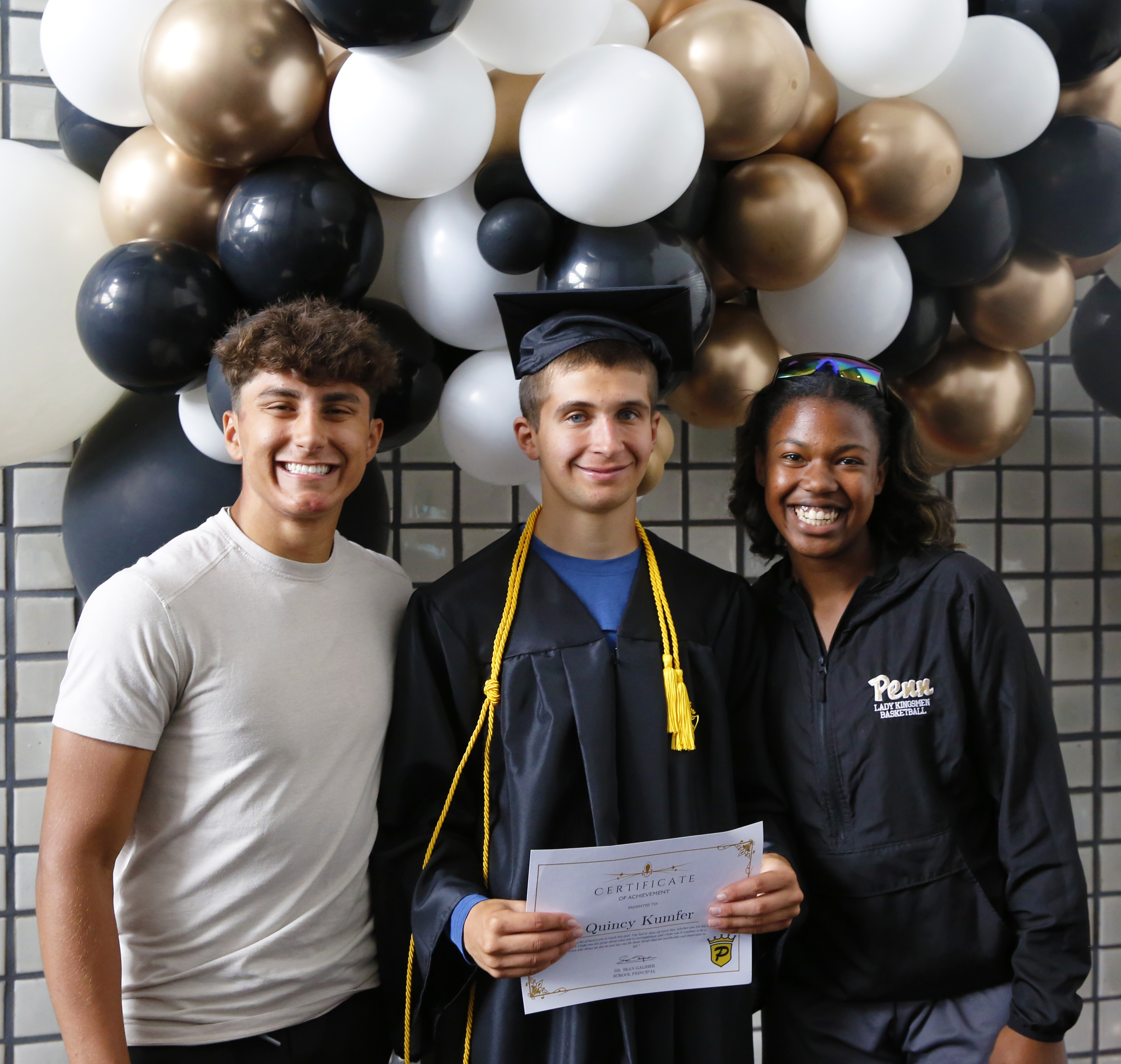
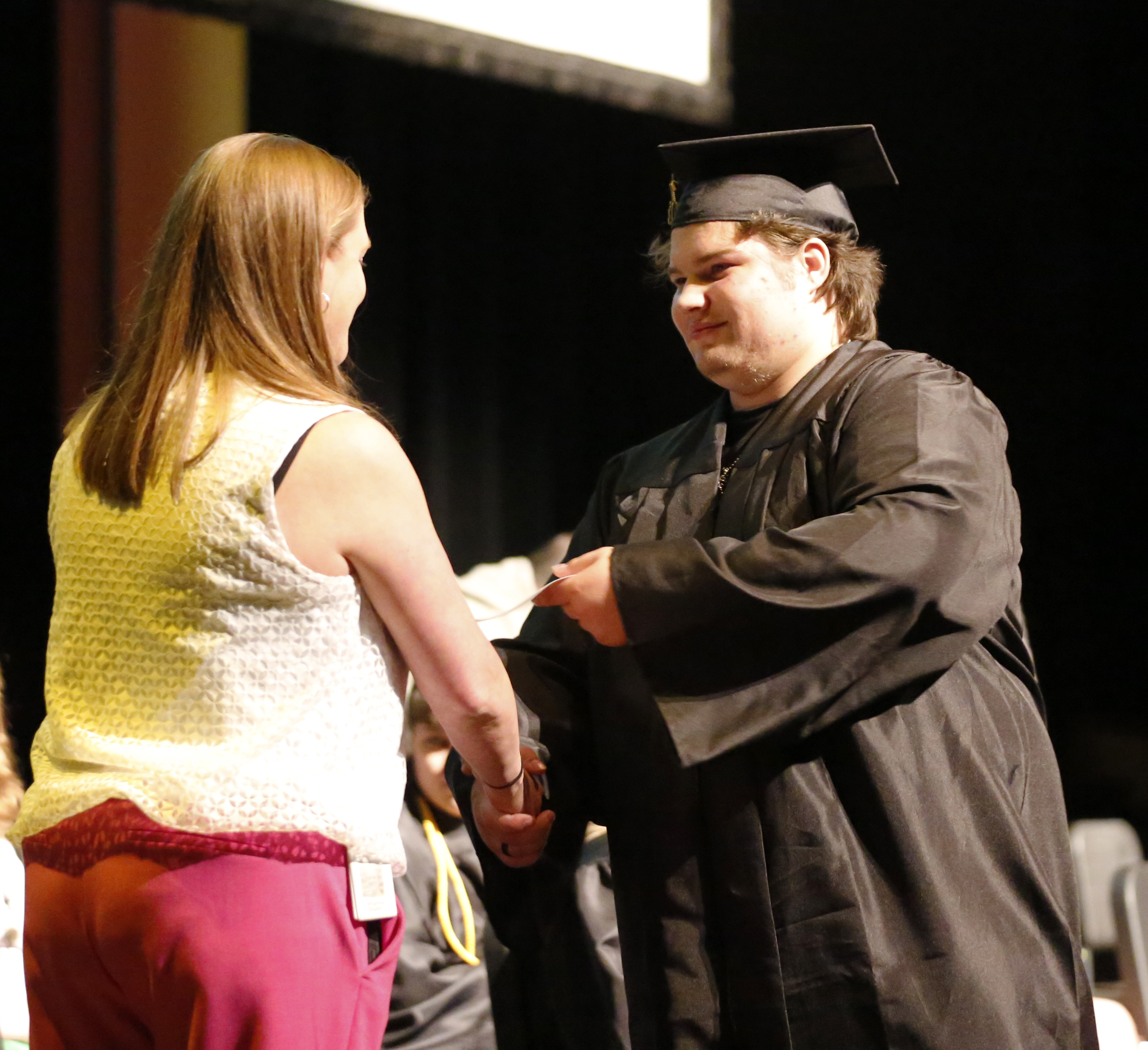
Penn celebrates Exceptional Education Academy Graduation
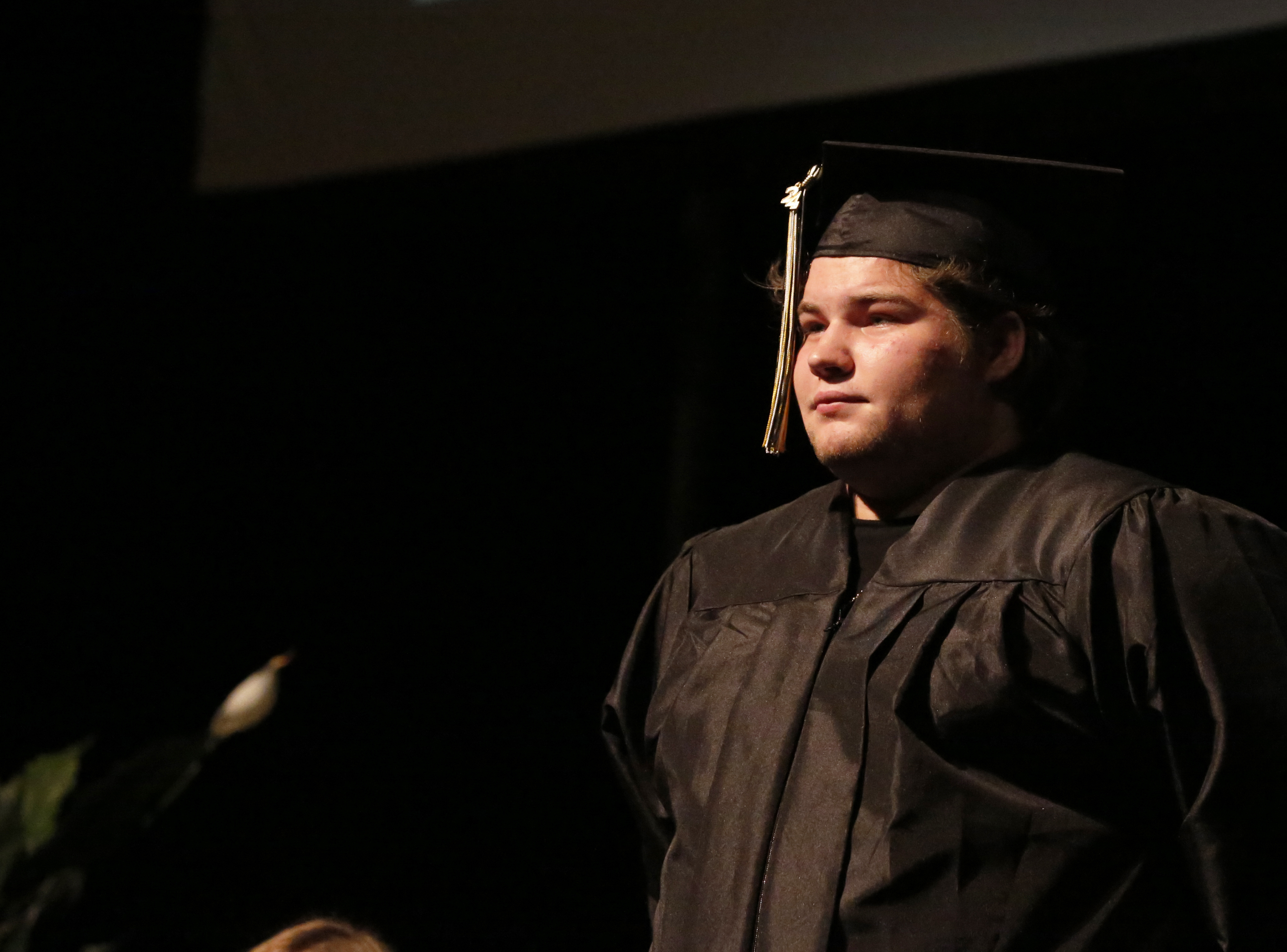
Penn High School celebrated the graduation of students enrolled in the Exceptional Education Academy with its Class of 2024 Commencement Ceremony.
A Photo Gallery is posted below.



Summer Reading information for AP English Lit. and Composition
Advanced Placement English Literature and Composition
Summer Reading/Writing 2024-2025
Instructor: Mr. Coffee, mcoffee@phm.k12.in.us
Students registered for the Advanced Placement English Literature and Composition course (0329) will receive their Summer Reading task as a shared document via email from Mr. Coffee near the end of the 2023-2024 school year. The parent email of record in Skyward will also receive that shared doc. The summer reading task will be available at the Penn High School website and through Kingsmen Nation sent from Mr. Galiher to all Penn students.
Students enrolled in AP English Lit are typically seniors; although, it is not required that a student be a senior to participate in AP Lit. Students who believe they are improperly registered and should have received a Summer assignment should participate in the task and contact their counselors immediately in August 2024 as the school year gets under way.
N.B. The AP English Lit Course Description published by College Board (Effective Fall 2014) indicates that students enrolling in this course “should read widely and reflect on their reading through extensive discussion, writing and rewriting . . . [and] should assume considerable responsibility for the amount of reading and writing they do” (5). Additionally, this course seeks to engage “students in the careful reading and critical analysis of imaginative literature. Through the close reading of selected texts, students deepen their understanding of the ways writers use language to provide both meaning and pleasure for their readers. As they read, students consider a work’s structure, style, and themes as well as such smaller-scale elements as the use of figurative language, imagery, symbolism, and tone” (7). – Any reading students complete this summer should be done with this in mind.
The AP English Literature Course and Exam Description published by College Board (Effective Fall 2020) establishes that:
Over the course of their literature studies in secondary school, and by the end of their AP English Literature and Composition class, students should have studied a variety of texts by diverse authors from a variety of time periods ranging from the English Renaissance to the present. However, students may not be prepared to read and analyze the most challenging literature from the very beginning of the course because students have not yet developed proficiency in the content and skills necessary to engage such literary works. The texts that students read should accommodate their current reading skill proficiency but also appropriately challenge them to further develop their reading skills. (117)
It is important to remember as students read this summer and through the coming year: “[T]he universal value of literary art [often] probes difficult and harsh life experiences,” and as a result:
fair representation of issues and peoples may occasionally include controversial material. Since AP students have chosen a program that directly involves them in college-level work, the AP English Literature and Composition Exam depends on a level of maturity consistent with the age of 12th-grade students who have engaged in thoughtful analysis of literary texts. . . AP students should have the maturity, the skill and the will to seek the larger meaning through thoughtful research. Such thoughtfulness is both fair and owed to the art and to the author. (“Course Description,” 2014, 8)
In order to truly learn, we must often be uncomfortable. College Board states:
Issues that might, from a specific cultural viewpoint, be considered controversial, including depictions of nationalities, religions, ethnicities, dialects, gender, or class, are often represented artistically in works of literature. AP students are not expected or asked to subscribe to any one specific set of cultural or political values, but are expected to have the maturity to analyze perspectives different from their own and to question the meaning, purpose, or effect of such content within the literary work as a whole. (“Course and Exam Description,” 2020, 117).
The texts students will read this year may contain the aforementioned mature content (students have four independent reading choices that they may select from novels or plays that have appeared as suggested titles on previous AP Exams). Our responsibility as scholars is to confront such material and understand why it is there. As I tell students from the start, any discomfort we may feel is akin to that we feel when we’re watching something with our parents, and that scene has to come on.
*At the end of this document, please find a list of texts which we have read in this class in the past. Please note that we will not read all of the texts listed. Those listed and those assigned for summer reading represent the content a student might expect and the reading stamina an AP Lit student ought to have.
Recall Test: Students’ summer reading grade will be determined by a multiple-choice test on all three texts and an in-class timed essay over only one of the pieces students are responsible for this summer (students will choose which selection they will write about, and they will choose the prompt to which they will respond). Assessment will not occur until September 9 (Gold)/10 (Black). This gives us an opportunity to address questions face to face regarding the reading. We encourage students to complete the reading before school begins, but there is no writing assignment due on the first day. The multiple-choice and in-class essay will be recorded as two of the first scores of the school year. In addition, the writing task will also serve as a baseline by which to measure academic growth and mastery of skills of each student.
Summer Reading Requirements: Over the course of the summer, actively read three texts:
- As You Like It by William Shakespeare – Please note that As You Like It will be this summer’s Notre Dame Shakespeare Festival professional production, opening August 22 and running through September 1.
- Jane Eyre by Charlotte Bronte
- Wide Sargasso Sea by Jean Rhys
If students have accessed this document electronically, As You Like It and Jane Eyre are the only two that legally appear in the public domain, and links to them are provided. Wide Sargasso Sea does have pdfs on-line, but I cannot share them. Regardless, I recommend hard copies for note-taking purposes. These texts will serve as reference points this year, and they may appear as a recommended title for students to write about on the AP Literature Exam in May 2025. Additionally, they represent the variety of literary challenges we will face both in class and on the AP exam in May 2025.
In other words, if students struggle with Shakespeare, Bronte, and Rhys, they may want to reconsider their course of choice for the year. Granted, students will not be left alone with difficult texts throughout the year. If they are willing to give it the effort, we will seek ways to make meaning from our reading together (and students are not entirely alone this summer either, as I am available for students’ questions via email through the summer). Therefore, before reconsidering because of a struggle, students should remember to ask for help.
While reading the texts, students should annotate as they read. (If students purchase a Kindle or Nook version of the text, annotations are still strongly encouraged but may be done electronically.)
Please share this handout with parents/guardians so that they know our purposes. If students have any questions at any time, please do not hesitate to contact me at mcoffee@phm.k12.in.us
This is not an exercise in just jumping through hoops. There are thematic ideas that are introduced through these three pieces that will span the year. Additionally, it is crucial that students have as much literature in their toolbelt as possible in preparation for the AP Exam. The first title has appeared 5 times as a suggested title on the AP exam, the second title has appeared 21 times, and the third has appeared 6 times.
I recommend students do not wait until the last minute to begin reading these texts. Below, please find suggestions for how to focus their reading.
Keep an eye out for the thematic motifs identified below:
- Many works of literature feature characters who accept or reject a hierarchical structure. This hierarchy may be social, economic, political, or familial, or it may apply to some other kind of structure. Be able to identify a character who responds to a hierarchy in some significant way. Then, be able to analyze how that character’s response to the hierarchy contributes to an interpretation of the work as a whole.
- Palestinian American literary theorist and cultural critic Edward Said has written that “Exile is strangely compelling to think about but terrible to experience. It is the unhealable rift forced between a human being and a native place, between the self and its true home: its essential sadness can never be surmounted.” Yet Said has also said that exile can become “a potent, even enriching” experience. Be able to identify a character who experiences such a rift and becomes cut off from “home,” whether that home is the character’s birthplace, family, homeland, or other special place, then be prepared to analyze how the character’s experience with exile is both alienating and enriching, and how this experience illuminates an interpretation of the work as a whole.
- Many works of literature contain a character who intentionally deceives others. The character’s dishonesty may be intended either to help or to hurt. Such a character, for example, may choose to mislead others for personal safety, to spare someone’s feelings, or to carry out a crime. Be able to select a character who deceives others. Then, prepare to analyze the motives for that character’s deception and discuss how the deception contributes to an interpretation of the work as a whole.
Remember–when reflecting on the impact of a thematic idea on an interpretation of the work as a whole, to merely state that without that moment or action or character (just for example), the text wouldn’t be the same, one’s reader’s response would then be, “well, duh.” Also, the impact on the interpretation is not that the thematic idea merely furthers the plot.
An interpretation of the work as a whole is its universal thematic statement. It is the overarching message about life or humanity, as stated or implied through the piece of literature. It is not a single word. For instance, Macbeth’s theme is not ambition. Rather, Macbeth’s ambition to “jump the life to come” and to “know the future in the instant” violates natural order and results in suffering far beyond what he imagined when the seed was first planted in his mind by the weird sisters. In other words, through Macbeth’s ambition, Shakespeare reveals the need to exhibit patience in the will of the universe.
Similarly, Lord of the Flies’ theme is not savagery. Rather, Jack’s hunters’ cruelty in Lord of the Flies reveals that without parents and policemen and neighbors to keep a watchful eye, no matter how civilized we may think ourselves to be, we are not insulated from losing ourselves to temptations.
Again, if students have any questions, they should contact Mr. Coffee at the email provided above.
_________________________________________________________________________________
Representative texts from previous years of AP English Literature and Composition (I will sometimes read something over the summer and realize that I just have to find a way to incorporate it – James by Percival Everett and The Heroine’s Journey by Maureen Murdock):
Medea by Euripedes The Oresteia by Aeschylus
Beowulf trans. Burton Raffel Grendel by John Gardner
Hamlet by William Shakespeare Rosencrantz and Guildenstern are Dead by Tom Stoppard
Henry IV, Part One by Shakespeare “Master Harold” . . . and the boys by Athol Fugard
King Lear by Shakespeare A Thousand Acres by Jane Smiley
Macbeth by Shakespeare The Sound and the Fury by William Faulkner
A Midsummer Night’s Dream by Shakespeare Pride and Prejudice by Jane Austen
Merchant of Venice by Shakespeare Crime and Punishment by Fyodor Dostoevsky
Othello by Shakespeare The Hate U Give by Angie Thomas
Taming of the Shrew by Shakespeare Vinegar Girl by Anne Tyler
The Tempest by Shakespeare Hag-Seed by Margaret Atwood
Heart of Darkness by Joseph Conrad A Bend in the River by V.S. Naipaul
Murder in the Cathedral by T.S. Eliot Becket by Jean Anouilh
1984 by George Orwell The Kite Runner by Khaled Hosseini
Tess of the D’urbervilles by Thomas Hardy The Secret Agent by Joseph Conrad
The Handmaid’s Tale by Margaret Atwood The Testaments by Margaret Atwood
Jane Eyre by Charlotte Bronte Wide Sargasso Sea by Jean Rhys
Debate Teacher & Coach Mr. Starkweather Named PHM Secondary Teacher of the Year
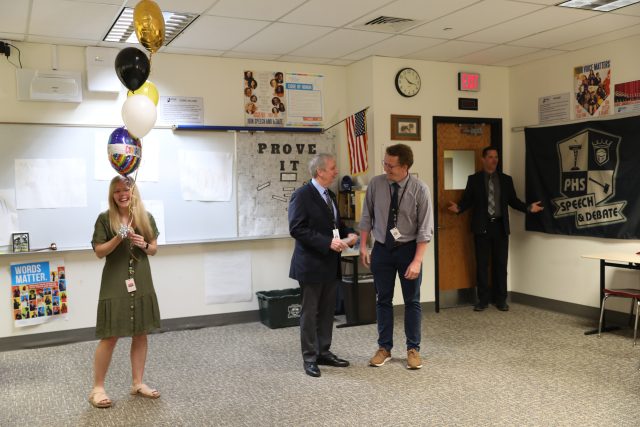
This week is National Teacher Appreciation Week and Penn-Harris-Madison Superintendent Dr. Jerry Thacker is making his rounds to surprise a couple of P-H-M’s best educators with some good news.
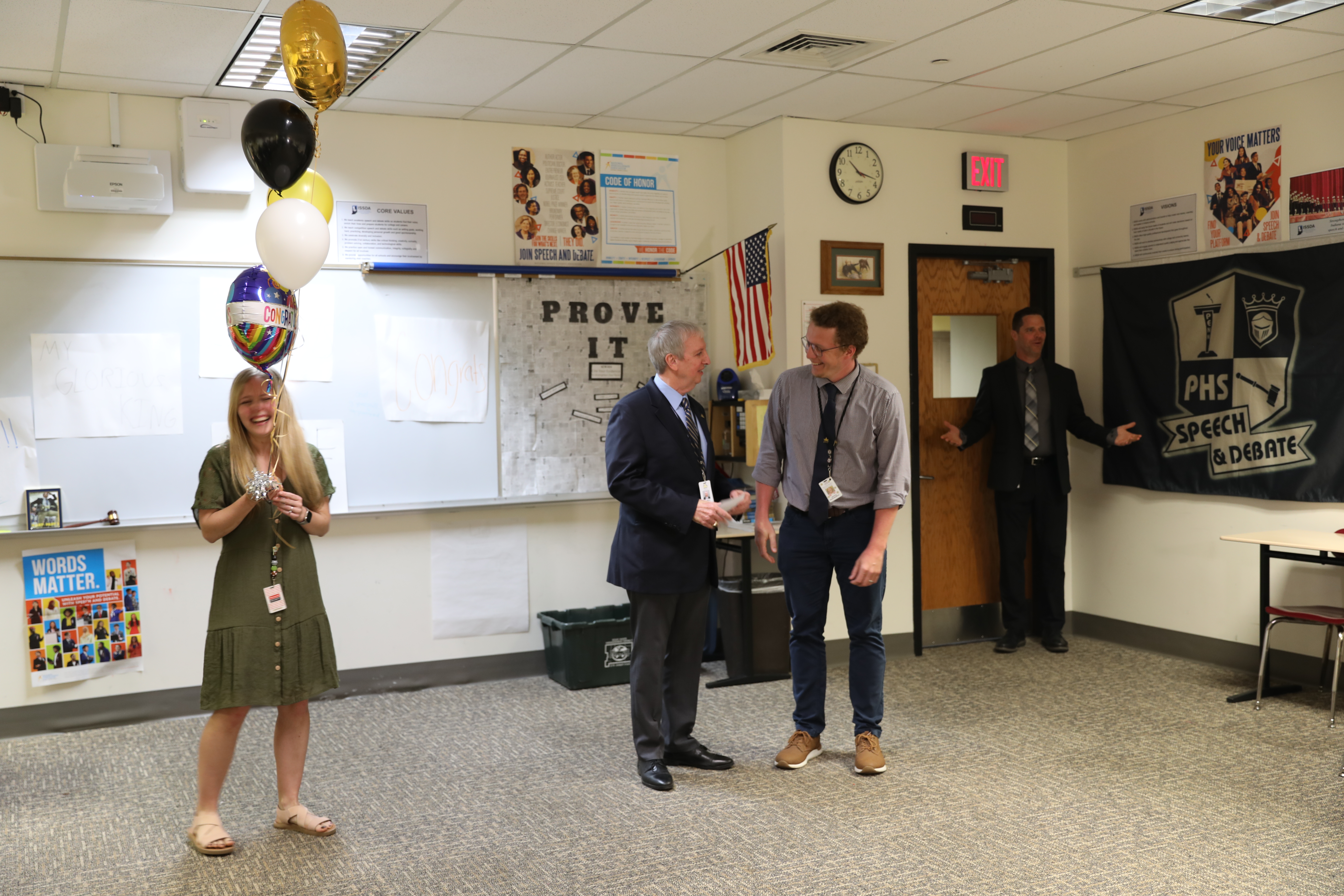
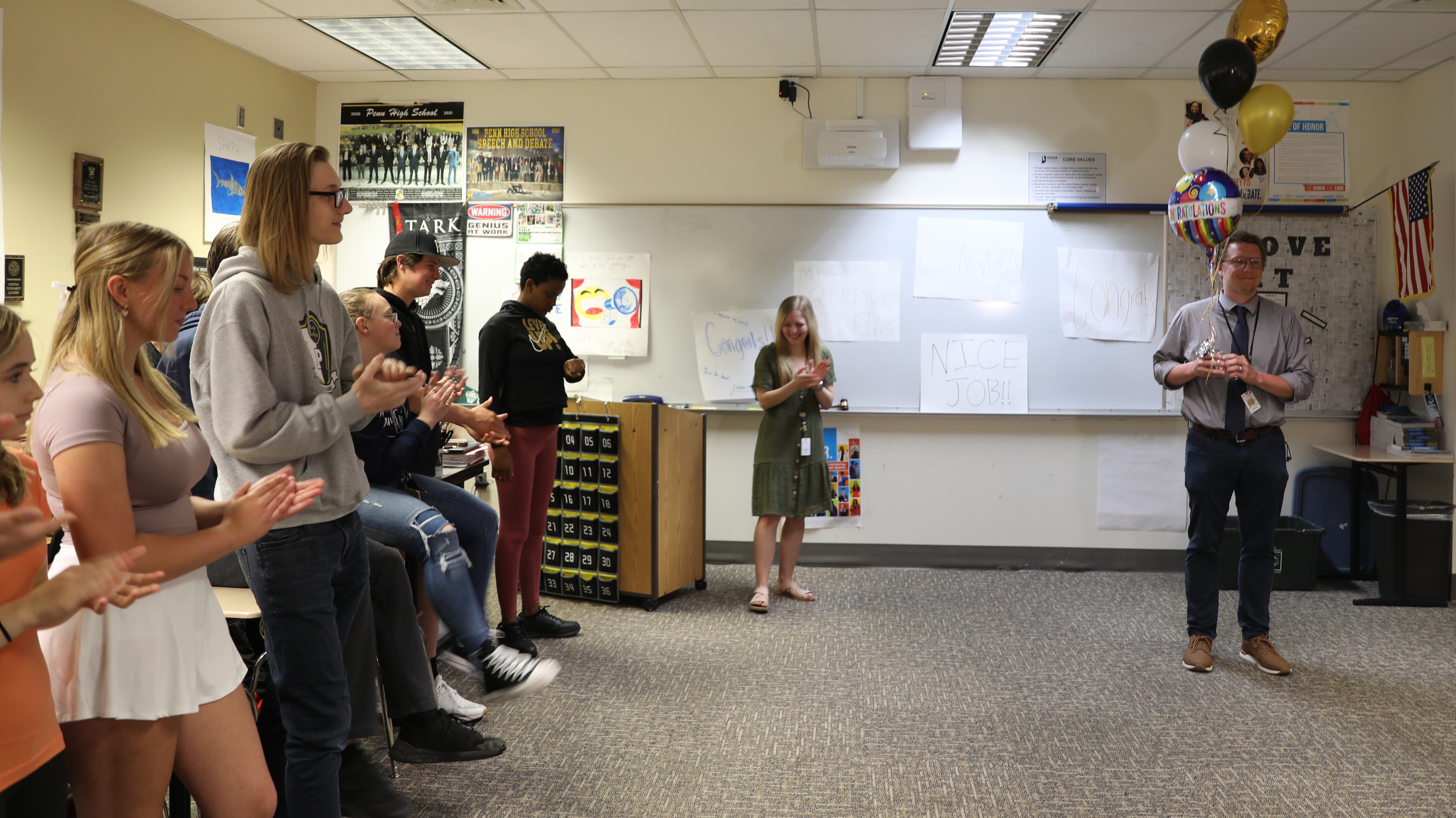
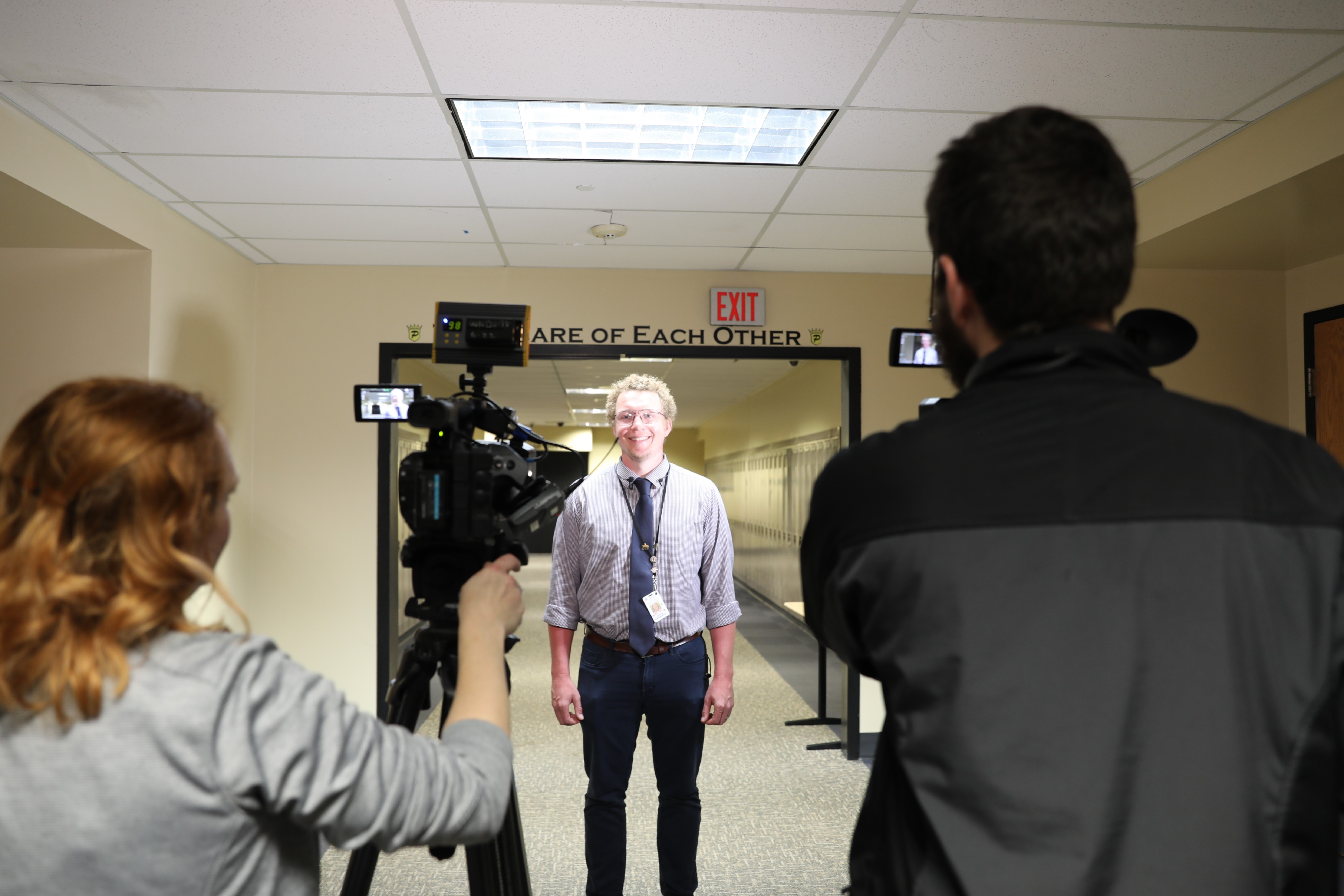
Today, Dr. Thacker with the help of Penn High School Principal Dr. Sean Galiher and Assistant Principal Jeanie Mitchell (a former PHM Teacher of the year herself), Jeremy Starkweather was taken off guard with the news that he had won P-H-M’s 2024 Secondary Teacher of the Year honor! Local TV stations were on hand to capture it all! Mr. Starkweather’s wife, Ally who is also a teacher at Penn, was told ahead of time so she could participate in the surprise. Along with the students, a big group of fellow Penn teachers and PHM District Administrators were in the classroom to congratulate him. Click to watch the video below.
Mr. and Mrs. Starkweather are both 2013 graduates of Penn High School. Mr. Starkweather attended P-H-M’s Moran Elementary School and Grissom Middle School.
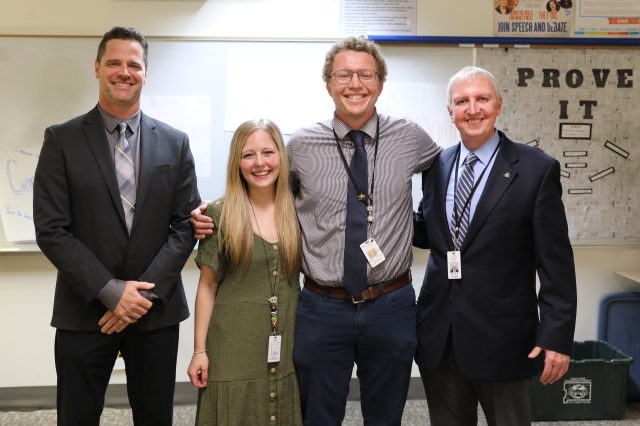
Click here to see the full photo gallery below.
Jeremy Starkweather is wrapping up his 7th year of teaching at P-H-M; but including his time as a student, student-teacher, and now a teacher, he’s been at Penn for a total of 12 years! He’s even still on the Speech & Debate Team just like he was while in school, except now he’s the coach! Mr. Starkweather is everywhere; he serves as the Assistant Coach for the Boys Cross Country Team, Coaching Consultant for the Education Foundation’s Running is Elementary, and Vice President of the Penn Building Trades Board of Directors.

Mr. Starkweather’s interests have carried over from his student days into his teaching career. Along with teaching English, Mr. Starkweather also teaches Debate, and has been serving as Penn’s Speech and Debate Coach since his first year of teaching. Prior to Mr. Starkweather at the helm, the team struggled to attract student participants; now Mr. Starkweather has made it cool to be on the Speech and Debate Team! The 2023-2024 school year both teams did extremely well. The Speech Team has 20 students advancing to the national tournament this summer; and the Debate Team not only won the State Championship, but a couple of the students even broke a record previously held by Coach Starkweather when he was a student!
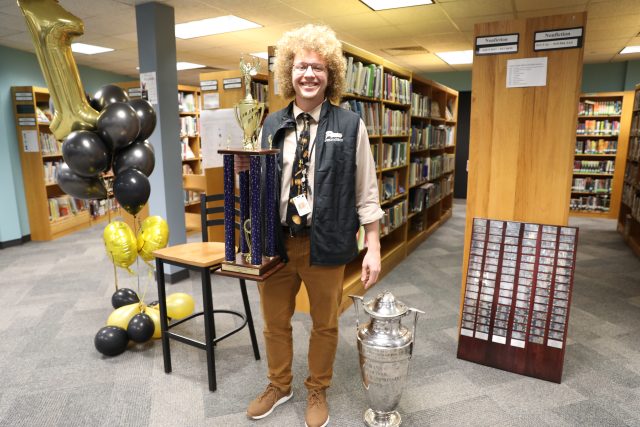
For the first time in Penn history, the Debate Team won a State Championship. Additionally, out of all five state championship debate categories, three Penn students came in 1st place in two categories (one team and one individual) adding two more State Titles to the list. One of those wins was a student duo in the Policy category. Policy received a traveling trophy that has been around almost a century (in existence since 1928); and the last time the trophy was in Penn High School’s possession was when Jeremy and a teammate won it back in 2013 (his senior year)! How’s that for full circle?
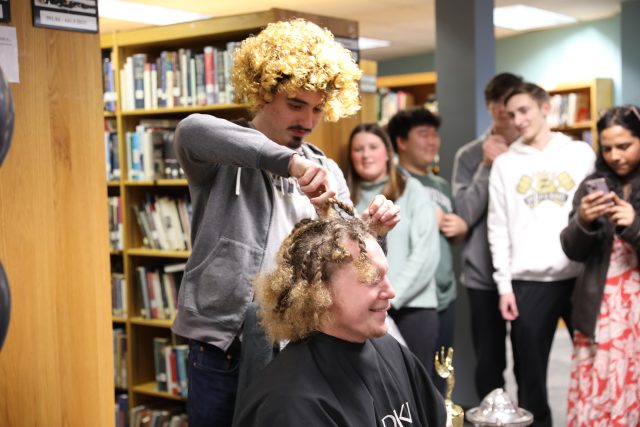
Until recently, Mr. Starkweather was known for his big bushy, blonde afro. However, thanks to Jeremy’s topnotch debate coaching skills, his team captains convinced him last summer, when the team was at the national competition, that if they won the State Championship, he would allow the students to shave his head. Jeremey Starkweather is a man of his word! He didn’t just allow his students to cut his hair, he let ALL the Speech & Debate students, Speech teacher Mrs. Danielle Black, and Superintendent Dr. Jerry Thacker get in on the action. It took over an hour to cut off 9 inches of his golden locks! Now that’s showing commitment and dedication to your students! Click here to see that video and full photo gallery.

Speech and Debate has become so popular at Penn that Mr. Starkweather enlisted the help of his top students to see if they could create the same interest at the middle school level. Not only was there interest, there’s now Debate teams at all three middle schools with over 80 students. The past few summers Jeremy has also been offering Summer Debate Camp.
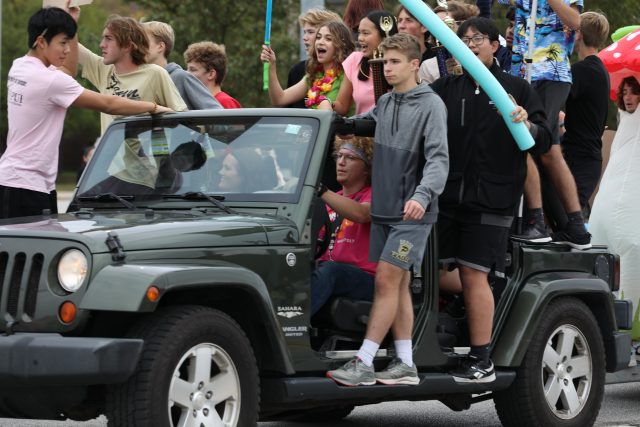
What is Mr. Starkweather’s secret to creating such an interest for Speech & Debate? It could be that he has the best and rowdiest student club floats in Penn’s Homecoming parade; but it’s also because he quite simply cares about his students and they know it. There’s no “debating” it!
During the week of May 6 along with surprising the Teacher of the Year winners, Dr. Thacker will also surprise the honoree of Classified Employee of the Year. Monday, May 6 Dr. Thacker surprised 3rd grade Northpoint teacher Nichol Mondy with the news that she was the district’s Elementary Teacher of the Year. All winners will be officially recognized at P-H-M’s Employee Recognition & Retiree Dinner on Wednesday, May 22nd. Along with a plaque, the two Teachers of the Year will also receive a grant from the P-H-M Education Foundation to use in their classroom. Both TOY winners will go on to compete for Indiana’s Teacher of the Year, which will be announced in early Fall 2024 by the IDOE.







Penn Musical earns WAVE Award nominations
Penn High School’s Fine Arts Academy earned 11 nominations for the WAVE Awards, which celebrates area high school musical students and staff.
Penn’s nominations were for excellence in acting, direction and design in “The Music Man”.
Nominated students and staff will attend the WAVE Awards at 7 p.m., Wednesday, May 22, 2024, at Lake Michigan College’s Mendel Center. Nominated students are eligible for scholarships.
“We are incredibly proud of all of the hard work that resulted in such a spectacular production, and are thankful that it is being acknowledged in the community!” Penn Theatre Instructor Kathryn Hein said.
- Outstanding Costume Design in a Musical: “The Music Man”, Kathryn Hein.
- Outstanding Choreography in a Musical: “The Music Man”, Jenn Wolfe.
- Outstanding Orchestra (or a Band) in a Musical: “The Music Man”, Zach Coudret.
- Outstanding Musical Direction in a Musical: “The Music Man”, Andrew Nemeth.
- Outstanding Featured Ensemble in a Musical: “The Music Man”, Barbershop Quartet.
- Outstanding Featured Actor in a Musical: Cailyn Freeman, “Amaryllis”.
- Outstanding Supporting Actor in a Musical: Justin Meacham, “Mayor Shinn”.
- Outstanding Lead Actor in a Musical: Lucas Robertson, “Harold Hill” and Tess Kavadas, “Marian Paroo”.
- Outstanding Direction in a Musical: Danielle Black, “The Music Man”.
- Outstanding Musical Production: “The Music Man”, Penn High School.